
X (Twitter) Advertising Services
Turn real-time conversations into measurable business growth. Unified Management Consulting provides strategic X advertising services covering campaign architecture, audience targeting, creative testing, conversation strategy, website conversion tracking, social listening, CRM integration, reporting, and management consulting.
📋 X (Twitter) Advertising — Quick Summary
Service What We Do Campaign Strategy Real-time marketing, trend-jacking, conversation campaigns, and launch strategies Ad Formats Promoted tweets, follower campaigns, trend takeovers, and spotlight ads Audience Targeting Keyword targeting, follower lookalikes, conversation targeting, and event targeting Creative Tweet copy, image ads, video ads, carousel ads, and poll ads optimized for engagement Key Results 60% higher CTR than industry average, 35% lower cost per engagement Investment $2,000-$6,000/month management + ad spend
X, formerly known as Twitter, is a real-time platform where people follow news, industries, creators, communities, events, products, and public conversations. Its value for advertisers is not limited to passive reach. X can help brands participate in timely discussions, build authority, launch products, promote content, reach professional or interest-based communities, drive website actions, support app growth, and re-engage audiences that have interacted with the business.
However, successful X advertising requires more than promoting a post. The advertiser must understand why the audience is present, what conversation they are joining, how the creative fits the platform, what action should follow engagement, and how to separate high-volume interaction from valuable commercial behavior. A post can generate replies and likes without generating qualified traffic. A campaign can produce cheap impressions while reaching people outside the customer profile.
Unified Management Consulting combines social advertising strategy with technical measurement and management consulting. We connect X Ads campaign setup, audience architecture, real-time creative, website tracking, conversion events, app or CRM data, customer value, and management reporting into a unified acquisition system.
At-a-Glance X Advertising Performance Framework
| Growth stage | What we manage | Key technical signals | Business outcome |
|---|---|---|---|
| Awareness | Reach, topical relevance, campaign timing, creative | Impressions, reach, CPM, frequency, video views | More qualified visibility |
| Conversation | Promoted posts, replies, topics, community relevance | Engagement rate, replies, reposts, likes, saves | Stronger public interest |
| Consideration | Website content, video, threads, proof, offers | Link clicks, landing-page views, engaged sessions | More informed visitors |
| Conversion | Forms, purchases, app events, registrations | CPA, conversion rate, revenue, event volume | More valuable actions |
| Qualification | CRM stages, lead scoring, sales feedback | MQLs, SQLs, opportunities, customer rate | Better commercial quality |
| Retention | Customer lists, product updates, community campaigns | Repeat actions, LTV, reactivation, engagement | Stronger customer relationships |
| Scale | Budget, creative variation, audiences, timing | CAC, ROAS, marginal CPA, pipeline value | Sustainable growth |
Illustrative Cost-per-Qualified-Action Graph
This graph is an illustrative planning model, not a guarantee. Actual results depend on creative, audience, timing, offer, market, budget, landing page, tracking, and sales execution.
textIllustrative cost per qualified action

100 | ████████████████████████████████████████  Baseline account audit
 91 | █████████████████████████████████████     Audience and keyword cleanup
 82 | ███████████████████████████████           Creative and message testing
 73 | ███████████████████████████               Landing-page improvement
 64 | ███████████████████████                   Event and conversion repair
 54 | ███████████████████                       Retargeting and CRM feedback
 45 | ███████████████                           Controlled campaign scaling
     +-------------------------------------------------------------------
       Month 1       Month 2       Month 3       Month 4       Month 5
The X Advertising Customer Journey
textBusiness objective and real-time conversation research
                    ↓
Audience, topic, keyword, interest, and creative hypothesis
                    ↓
Promoted post, video, carousel, conversation, or app creative
                    ↓
Engagement, profile visit, video view, reply, click, or app interaction
                    ↓
Website visit, registration, lead, purchase, download, or installation
                    ↓
CRM qualification, sales follow-up, or product activation
                    ↓
Offline conversion, revenue, customer value, and retention
                    ↓
Creative learning, audience refinement, timing optimization, and scale
Example X Advertising Message Table
| Audience or situation | Post or ad copy direction | Creative format | Offer or proof | CTA |
|---|---|---|---|---|
| Industry conversation | “The next stage of growth is not more disconnected activity. It is better measurement across the customer journey.” | Short text post or video | Strategy insight | Learn more |
| Product launch | “Built for teams that need speed, visibility, and control without adding complexity.” | Product video or carousel | Feature demonstration | Explore the product |
| Website retargeting | “You read the guide. Now see how the process works in practice.” | Case-study post | Customer proof | View the case study |
| Event promotion | “Join the practical conversation about improving acquisition, attribution, and growth.” | Event or video post | Webinar, session, or registration | Register now |
| App acquisition | “Move from insight to action wherever your team works.” | App card or mobile video | Product demo | Download the app |
What Are X (Twitter) Advertising Services?
X advertising services cover the strategy, technical setup, creative development, launch, monitoring, testing, optimization, and reporting of paid campaigns on X. Depending on the current account capabilities and campaign objective, services may include:
- Promoted posts and promoted video.
- Website traffic and conversion campaigns.
- Engagement campaigns.
- Reach and awareness campaigns.
- Video-view campaigns.
- App-install and app-engagement campaigns.
- Follower or profile-growth campaigns where available.
- Website cards and app cards.
- Carousel or multi-asset advertising formats where available.
- Conversation-oriented campaigns.
- Event, launch, and real-time campaign activation.
- Keyword and topic targeting.
- Interest and follower-based targeting.
- Tailored or custom audience targeting.
- Website retargeting.
- Customer-list campaigns.
- Lead-generation and registration campaigns.
- Content distribution and thought-leadership promotion.
- Competitive and category awareness campaigns.
Professional management can also include X Ads account governance, business access, billing, conversion tracking, website tag review, event mapping, UTM conventions, audience exclusions, brand-safety controls, creative testing, social listening, community response coordination, CRM reporting, and executive dashboards.
Why X Advertising Requires a Different Strategy
X is a conversation-driven platform. Users may be following an unfolding event, industry discussion, creator, product announcement, public issue, sporting moment, or breaking news story. Timing and context can influence response as much as the audience setting.
The advertising environment rewards clarity and relevance. A business may need to respond to a conversation quickly, but speed should not eliminate brand judgment, factual accuracy, approval procedures, or privacy and safety considerations. A message that works in a scheduled campaign may not work when inserted into an active public discussion.
X advertising can support both demand capture and demand creation. High-intent activity may come from searches, keywords, product discussions, or users already familiar with the category. Broader campaigns can introduce a problem, point of view, product, event, or resource to a relevant community.
Unified Management Consulting helps businesses connect real-time activity with a structured customer journey. We examine the audience, conversation, creative, destination, conversion event, follow-up process, and commercial outcome.
Our X Advertising Management Process
1. Business, Audience, and Conversation Discovery
We begin by understanding your products, services, customers, industry, business model, sales cycle, customer value, geographic market, competitors, and growth objectives. We identify whether X should support:
- Brand and category awareness.
- Product or service launches.
- Real-time event campaigns.
- Website traffic and content distribution.
- Lead generation and registrations.
- App installations and activations.
- Customer support or community education.
- Thought leadership and executive visibility.
- B2B or professional audience development.
- Ecommerce product discovery.
- Retargeting and customer reactivation.
We also examine how conversations influence your market. Which topics matter to customers? What language do they use? What objections appear in replies? Which accounts, creators, publications, communities, and events shape attention? These findings can inform audience structure and creative.
2. X Ads Account Audit
For existing advertisers, we review the X Ads account, campaign objectives, campaigns, ad groups, promoted posts, audience settings, targeting, bids or delivery controls, budgets, placements, creative, conversion events, website tags, UTM parameters, and performance history.
The audit may identify:
- Campaigns optimized for engagement when the real objective is conversion.
- High-volume clicks that do not become qualified visitors.
- Keyword or interest targeting that is too broad or too narrow.
- Duplicate audiences competing for budget.
- Retargeting audiences without proper exclusions.
- Creative that is irrelevant to the active conversation.
- Event tags firing on page loads rather than completed actions.
- Missing app, website, CRM, or offline conversion data.
- Broken URL parameters or redirect attribution.
- High frequency in small audiences.
- Weak landing-page and post-click alignment.
- Inconsistent naming and reporting structure.
- Policy, account access, or brand-safety issues.
We produce a prioritized action plan that separates urgent measurement problems from opportunities for creative scale, account expansion, content development, or audience testing.
3. Campaign Architecture and Governance
X campaign architecture should make it possible to understand what is driving delivery and business value. We structure campaigns around meaningful differences such as:
- Awareness versus conversion.
- Real-time event versus evergreen acquisition.
- Prospecting versus retargeting.
- Website actions versus app actions.
- Product or service category.
- Geography or language.
- Audience segment or community.
- Creative concept or format.
- New customer versus existing customer.
- Testing versus scaling.
Over-segmentation can divide data and budget. Under-segmentation can hide differences in topic, audience, timing, or customer value. The appropriate structure depends on spend, conversion volume, audience size, sales cycle, and reporting requirements.
We use practical naming conventions for campaigns, ad groups, audiences, creatives, URLs, and conversion events. Governance can include account access, administrator ownership, billing, change history, approval procedures, brand-safety rules, and documentation of the account logic.
4. Audience and Targeting Strategy
Depending on current X platform capabilities and eligibility, targeting may include:
- Keywords.
- Topics or conversation themes.
- Interests.
- Follower or account-based targeting.
- Similar or follower-lookalike approaches where available.
- Demographic and geographic controls.
- Device and operating-system context.
- Website audiences.
- Customer or contact lists.
- App activity.
- Engagement audiences.
- Event or video audiences.
- Retargeting segments.
Keyword Targeting
Keyword targeting can help reach users discussing, searching, or engaging with relevant terms. Keyword lists should include customer language, product categories, problems, competitor themes where permitted, technical terminology, events, and industry subjects.
We review actual delivery and query or keyword performance to identify irrelevant themes, new opportunities, negative terms, and contextual differences. A keyword may have different meanings depending on the conversation, so manual analysis and brand-safety review remain important.
Interest and Topic Targeting
Interest and topic targeting can provide broader discovery, but relevance should be checked against the business profile. A person interested in a general topic may not be a buyer. We use creative, destination, conversion design, and qualification to improve the quality of broader traffic.
Follower and Account-Based Targeting
Follower or account-based targeting can help reach audiences connected to relevant publications, creators, competitors, industry organizations, or category conversations where available. The goal is not simply to borrow another account’s audience. We evaluate audience fit, incremental reach, brand context, cost, and downstream action.
Custom and Retargeting Audiences
Custom audiences may include website visitors, customer lists, app users, prior engagers, video viewers, lead-form users, and other eligible activity. We review match quality, consent, retention windows, audience size, exclusions, update frequency, and message progression.
Real-Time Creative and Conversation Strategy

Creative on X should work in a fast-moving text and media environment. Users may respond to a clear insight, useful data point, strong opinion, timely explanation, product demonstration, customer proof, or concise offer. The message must be easy to understand and appropriate for the context.
Creative Testing Matrix
| Variable | Examples to test | Strategic question |
|---|---|---|
| Hook | Question, contrarian view, statistic, problem, result | Does the first line create relevance? |
| Format | Text post, image, video, carousel, card, thread | Which format communicates the idea best? |
| Timing | Evergreen, event-led, trend-led, scheduled launch | When is the audience most receptive? |
| Proof | Customer story, data, expert, demo, review | What reduces perceived risk? |
| Angle | Efficiency, speed, cost, growth, risk, expertise | Which business motivation matters? |
| CTA | Read, register, download, visit, buy, install | What action matches the audience stage? |
| Voice | Brand, executive, expert, creator, customer | Who has the strongest credibility? |
Promoted Text and Conversation Posts
A promoted post should not read like a generic banner. It should communicate one clear idea, use language appropriate for the audience, and provide a reason to click or engage. Short copy can create curiosity, while longer copy may be appropriate for a complex insight or case study.
We test direct claims, questions, practical advice, data-led statements, customer outcomes, product demonstrations, and educational hooks. Replies, comments, and public feedback can reveal objections and language that should inform future creative.
Video Advertising
Video can be used for brand awareness, product demonstrations, event promotion, customer stories, app education, and thought leadership. The opening seconds should establish the topic. Captions and visual context matter because many viewers may consume content without sound.
We evaluate video starts, watch time, completion, click-through rate, landing-page views, conversion events, and downstream quality. High view volume without commercial action is not necessarily a success.
Website Cards and App Cards
Cards can simplify the path from post to website or app destination. We review image, headline, description, destination URL, app-store path, deep linking, tracking parameters, and mobile experience. Card content should match the post and landing page rather than create a disconnected click.
Threads, Executive Voice, and Thought Leadership
A thread, executive perspective, expert explanation, or educational sequence can support longer consideration cycles. Paid promotion should preserve authenticity and provide an appropriate next step. We help distinguish a thought-leadership objective from a direct-response objective and report each using relevant metrics.
X Website Tag and Conversion Tracking
Website conversion tracking allows advertisers to evaluate actions that occur after a user clicks an ad. Depending on the current technical setup and platform support, implementation may involve an X website tag, tag manager, direct code, event parameters, analytics integrations, CRM data, or server-side conversion methods.
Common events may include:
- PageView.
- ViewContent.
- Search.
- Lead.
- CompleteRegistration.
- Download.
- Subscribe.
- Schedule.
- Contact.
- AddToCart.
- InitiateCheckout.
- Purchase.
- App installation or activation.
- Qualified lead or offline sales stage.
The event should fire when the intended action is completed. A Purchase event should not fire on a payment error or every refresh. A Lead event should not fire because a user opened a form. A download should be measured after the file or intended action is completed where possible.
Event Parameters and Values
Ecommerce and lead events may require value, currency, product IDs, content type, transaction ID, lead type, service category, or other parameters depending on implementation. We review data-layer availability, variable formats, event names, timestamps, currency, order IDs, deduplication, and test behavior.
UTM and Analytics Configuration
UTM parameters help connect X traffic with analytics and CRM records. Parameters should be consistent across campaigns, ad groups, audience segments, creatives, and destinations. We avoid changing the source or medium structure mid-campaign without documenting the effect on reporting.
We review redirects, shortened links, deep links, app-store routes, cross-domain journeys, booking systems, payment providers, and form platforms to ensure parameters are not lost.
Server-Side and Offline Conversion Data
Where platform capability, consent, and technology support it, server-side or CRM-based conversion sharing can supplement browser tracking. This may be useful for lead qualification, subscription events, purchases, or offline sales.
The implementation requires event mapping, identity matching, data normalization, timestamps, deduplication, access controls, import schedules, error handling, and validation against CRM or finance records. A long sales cycle makes offline conversion measurement particularly valuable because an initial click may not become a customer for weeks or months.
Lead Generation, Forms, and CRM Integration
X advertising can support lead generation through website forms, landing pages, app flows, direct messages, downloads, registrations, and other conversion paths available to the account. The correct path depends on customer intent, offer complexity, qualification needs, and sales process.
A lead should progress through a defined lifecycle:
textLead captured
      ↓
Contact attempted
      ↓
Contact reached
      ↓
Marketing-qualified lead
      ↓
Sales-qualified opportunity
      ↓
Meeting, proposal, or trial
      ↓
Customer acquired
      ↓
Revenue, margin, and lifetime value recorded
We help align campaign reporting with CRM stages. For B2B or high-value services, the true performance question is rarely “How many leads did the ad generate?” It is more often “How many qualified opportunities and customers did the advertising contribute to?”
Lead Quality Table
| Metric | What it tells management | What it does not tell management |
|---|---|---|
| Cost per lead | Cost of capturing a contact | Whether the contact is relevant |
| Contact rate | Whether sales can reach the lead | Whether the lead will buy |
| Qualified-lead rate | Whether targeting and offer align | Final revenue without sales data |
| Cost per opportunity | Acquisition efficiency at a deeper stage | Profitability without value and margin |
| Win rate | Whether opportunities become customers | The full contribution of every ad touchpoint |
| Customer acquisition cost | Cost of acquiring customers | Lifetime value by itself |
| Revenue or gross profit | Commercial result | Whether the result is incremental without testing |
App Advertising and Mobile Measurement
X can support app promotion and app-event campaigns where available. App advertising requires more than measuring installs. The business may need to track registration, activation, subscription, purchase, retained user, or other in-app events.
Technical requirements can include a mobile measurement partner, app SDK, event mapping, deep links, app-store configuration, campaign identifiers, consent, attribution settings, and post-install reporting. We help distinguish cheap installs from valuable activated users.
Useful app metrics may include:
- Cost per install.
- Registration rate.
- Activation rate.
- Cost per activated user.
- Trial start and paid conversion.
- In-app purchase value.
- Day-7 or day-30 retention.
- Customer acquisition cost.
- Lifetime value and payback period.
Landing Pages and Conversion Rate Optimization
X traffic may arrive from a concise post, a topical conversation, a video, a card, or an app destination. The landing page needs to confirm relevance quickly and give the visitor an obvious next step.
We review:
- Message match between post, card, and landing page.
- Mobile page speed and layout.
- First-screen clarity.
- Headlines and offer.
- Trust signals, reviews, and proof.
- Form length and qualification questions.
- Call, booking, or message options.
- Pricing, service area, availability, or delivery details.
- Security and privacy information.
- Tracking parameters and redirects.
- Confirmation pages and event firing.
A high engagement rate with low conversion can indicate a mismatch between conversation and offer, weak post-click experience, or inaccurate conversion measurement. We use funnel analysis to determine the likely cause.
Campaign Objectives, Optimization, and Bidding
X campaign objectives and available optimization options can vary by account, market, and platform update. We select the objective that most closely supports the intended business outcome, such as reach, video views, engagement, website visits, conversions, app installs, app events, leads, or follower growth where available.
Engagement optimization can be useful when the aim is to develop public interest or social proof, but it should not be used as a substitute for conversion optimization when revenue is the goal. Website traffic can increase sessions, but the landing page and event setup determine whether the visits become valuable actions.
We review:
- Campaign objective and conversion location.
- Optimization event and event volume.
- Bid and delivery settings.
- Budget and pacing.
- Audience size and overlap.
- Frequency and creative fatigue.
- Conversion lag and attribution window.
- Marginal CPA or cost per qualified result.
- Revenue, pipeline, and customer value.
Automated delivery depends on the quality of the signals provided. Incorrect events, duplicate conversions, low-value engagement, or incomplete revenue data can cause the system to optimize toward the wrong outcome.
Budget Planning and Scaling
Budget should reflect audience size, conversation volume, objective, creative supply, offer, conversion rate, customer value, seasonality, and operational capacity. A real-time campaign may require a short, concentrated budget, while an evergreen acquisition campaign may require steady pacing and creative rotation.
We evaluate:
- Target audience and estimated reach.
- Available conversation or keyword volume.
- Expected CPM, CTR, and conversion rate.
- Acceptable CAC and break-even economics.
- Contract value, margin, and lifetime value.
- Promotion, event, or launch dates.
- Creative production capacity.
- Sales or fulfilment capacity.
- Testing budget versus scaling budget.
- New versus returning customer value.
Scaling may involve new creative angles, broader topics, adjacent audiences, new content offers, website improvements, retargeting, budget increases, or stronger CRM feedback. It should not mean increasing spend on an untracked or fatigued campaign.
Real-Time Timing and Event Campaigns
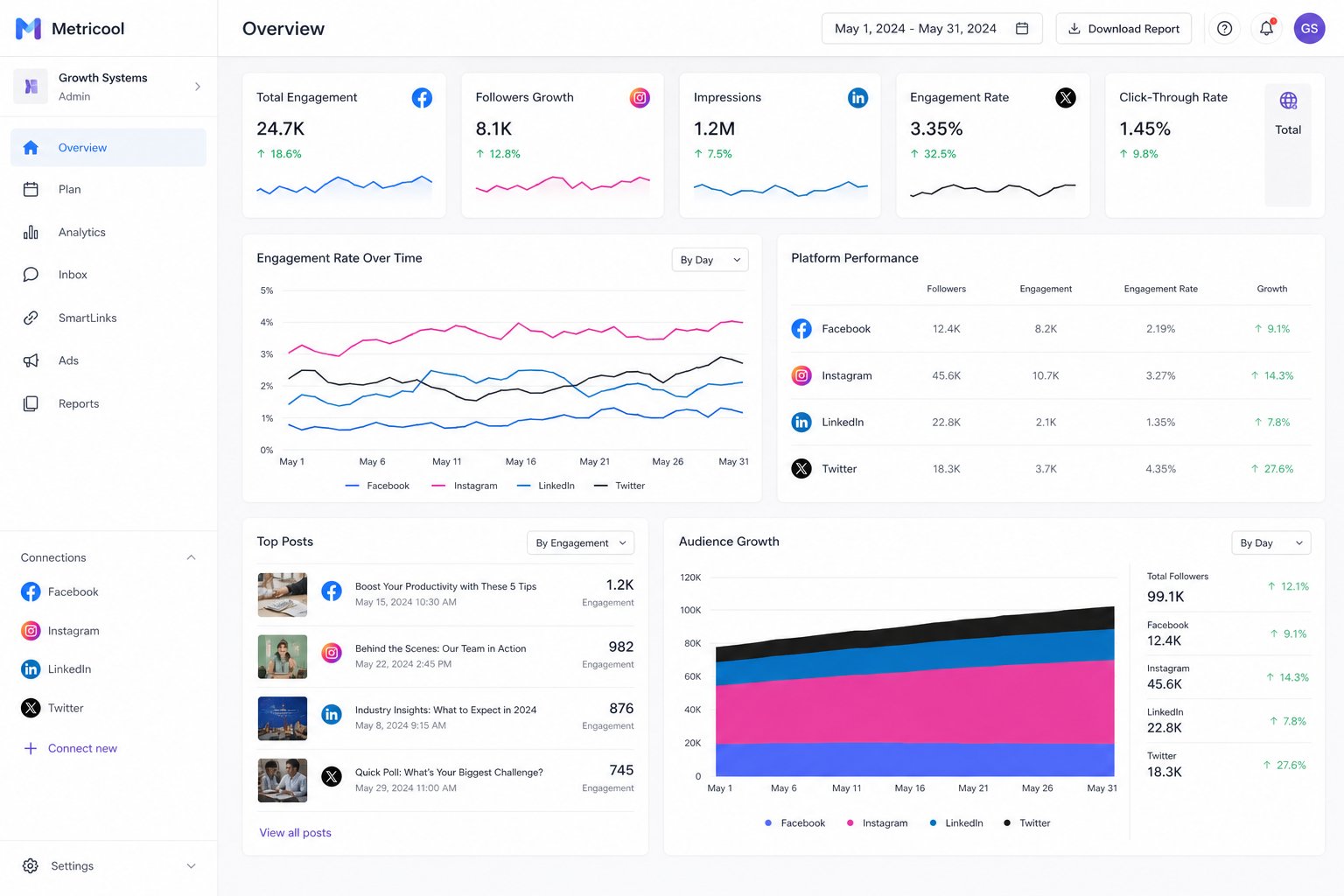
X is particularly useful for event-driven advertising, but event campaigns require preparation. We help define the campaign window, audience, creative approvals, monitoring schedule, response process, landing page, tracking, and contingency plan.
Relevant campaign contexts may include:
- Conferences and trade shows.
- Product launches.
- Industry announcements.
- Seasonal moments.
- Sports or cultural events where appropriate.
- Webinars and live streams.
- Breaking category news.
- Public discussions relevant to the brand.
Real-time marketing should not be opportunistic at any cost. Brand safety, factual accuracy, community sentiment, regulatory restrictions, and internal approval must remain part of the operating model.
Retargeting and Customer Lifecycle Advertising
A mature X advertising program can separate prospecting, content engagement, website retargeting, conversion retargeting, customer retention, app reactivation, and account-based campaigns where data and platform features allow.
Examples include:
- Show an educational article to a cold category audience.
- Show a case study to people who engaged with the first post.
- Show a product demonstration to website visitors.
- Show a registration CTA to video viewers or content readers.
- Exclude completed leads from acquisition campaigns.
- Promote a new feature to existing customers.
- Retarget app installers who have not activated.
- Re-engage previous customers with a relevant update or offer.
Audience windows, exclusions, consent, frequency, creative progression, and customer status should be documented. A customer should not receive an irrelevant acquisition message after completing the intended action.
Reporting, Attribution, and Business Measurement
X platform reporting can differ from GA4, CRM, app analytics, ecommerce systems, and finance reports because each system uses different attribution windows, time zones, event definitions, processing rules, and identity signals.
We establish separate views for campaign optimization and management reporting. Platform data can help diagnose delivery, audience, creative, and conversion signals. CRM, app, ecommerce, and finance data can help assess qualified pipeline, activation, revenue, margin, customer acquisition cost, and lifetime value.
Useful reporting categories include:
- Spend and budget pacing.
- Impressions, reach, CPM, and frequency.
- Engagement rate, replies, reposts, likes, and saves.
- Video views, view rate, watch time, and completion.
- Link clicks and landing-page views.
- Leads, downloads, registrations, purchases, and app events.
- Conversion rate and cost per result.
- Qualified-lead and opportunity rates.
- Revenue, gross profit, ROAS, CAC, and LTV.
- Creative, keyword, topic, audience, and timing performance.
- Community sentiment and brand-safety observations.
- Tests completed and recommended next decisions.
Illustrative X Advertising Funnel Table
| Funnel stage | Example volume | Example rate | Management question |
|---|---|---|---|
| Impressions | 100,000 | — | Are we reaching the intended communities? |
| Engaged users or video viewers | 6,000 | 6.0% | Does the content create interest? |
| Website or app visits | 2,400 | 40.0% of engaged users | Is the destination relevant and functional? |
| Leads, registrations, or key events | 192 | 8.0% of visitors | Is the offer persuasive? |
| Qualified opportunities or activated users | 58 | 30.0% of key events | Is the traffic commercially useful? |
| Customers or retained users | 14 | 24.1% of opportunities | Is the program producing value? |
Illustrative example only. Actual rates vary by audience, offer, sales cycle, app, website, and business model.
Privacy, Consent, and Data Governance
X advertising measurement should be designed with privacy and data governance in mind. Requirements vary by country, industry, audience, data source, and legal environment. We review consent management, customer-list permissions, privacy notices, event collection, data retention, user access, partner access, and data-sharing flows.
Technical controls may include consent-aware tags, restricted processing where appropriate, secure CRM and app integrations, data minimization, access controls, documentation, and regular permission reviews.
More tracking is not automatically better. We help define the minimum data necessary for optimization, reporting, attribution, and customer service while respecting applicable rules and internal governance.
Automation, Monitoring, and Quality Control
Automation can help monitor account health and highlight unusual conditions. We may use dashboards, alerts, spreadsheets, scripts, tag-manager checks, CRM workflows, or platform integrations to monitor:
- Sudden spend changes.
- Campaigns with no delivery.
- Disapproved ads or restricted creative.
- Broken landing pages and redirects.
- Drops in event volume.
- Duplicate conversion events.
- UTM or source-data failures.
- High frequency in small audiences.
- Creative fatigue.
- Lead delivery and CRM synchronization.
- App event or activation changes.
- Unexpected revenue or order-value shifts.
Automated actions should be governed carefully. Real-time activity can create temporary volatility, and conversion lag may make a new campaign look weak before later events are recorded. We define thresholds, time periods, exclusions, alert recipients, and human review before automated budget or status changes.
X Advertising Services for Different Business Models
B2B and Professional Services
X can help professional brands distribute insight, reach industry conversations, promote reports, support events, and retarget engaged audiences. Long sales cycles require CRM and offline conversion data so the program is evaluated on qualified opportunities rather than clicks alone.
Ecommerce and Product Brands
Product brands can use X to launch products, participate in category conversations, promote offers, drive website visits, and re-engage visitors. Product pages, price, availability, reviews, checkout, shipping, and purchase values influence results.
Technology and App Businesses
Technology companies can use X for product announcements, developer or professional communities, app acquisition, feature education, and event promotion. App campaigns should measure activation, subscription, purchase, and retention rather than installs only.
Events, Media, and Entertainment
X is naturally suited to live conversation. Campaigns can support event registration, streams, content launches, audience development, and reminders. Timing, creative refresh, landing pages, and real-time monitoring are critical.
Local and Community Businesses
Local businesses can use X advertising to support awareness, community participation, event promotion, announcements, and website or appointment actions. Geographic relevance and response process should be built into the campaign.
Why Choose Unified Management Consulting?
Real-Time Strategy and Technical Execution
We connect conversation research, audience, creative, website tracking, CRM, app or ecommerce data, and reporting. X activity is treated as a measurable customer journey rather than isolated promoted posts.
Clear and Responsible Communication
You should understand where budget is going, which conversations and audiences are working, whether engagement is valuable, what creative is being tested, and how campaigns contribute to business outcomes.
Customized Campaign Architecture
We design around your customer, offer, industry, market, timing, sales process, audience size, creative resources, and data maturity.
Focus on Commercial Outcomes
Impressions, engagements, and followers may be useful indicators, but the final focus is qualified traffic, leads, activated users, customers, revenue, margin, pipeline, and lifetime value.
Management Consulting Perspective
Advertising cannot repair every business problem. Poor follow-up, unclear offers, weak landing pages, limited fulfilment, or inadequate customer support may limit growth. Our consulting approach examines the management systems surrounding paid social.
X Advertising Services Pricing
Management fees depend on campaign complexity, number of markets, creative requirements, real-time monitoring, event activation, app or ecommerce integration, CRM requirements, account-based targeting, reporting, and consulting support.
Before choosing a provider, clarify whether the service includes:
- Business and audience research.
- X Ads account audit and setup.
- Campaign architecture and naming standards.
- Keyword, topic, interest, and follower strategy.
- Creative strategy and copywriting.
- Video, card, carousel, thread, and promoted-post planning.
- Website tag and conversion review.
- App or CRM event integration.
- UTM and analytics configuration.
- Website and landing-page recommendations.
- Retargeting and customer-list setup.
- Real-time monitoring and event support.
- Ongoing optimization.
- Reporting and review meetings.
- Policy, brand-safety, and account support.
The media budget is generally paid to the advertising platform separately from the management fee. Ownership of the account, profile, creative, audiences, data, tracking, and reports should be clearly documented.
How Performance Is Evaluated
No responsible provider can guarantee a fixed number of impressions, followers, clicks, leads, app installs, or customers. Performance depends on the audience, timing, content, offer, market, competition, budget, landing page, tracking, sales process, app experience, and customer economics.
Early work may focus on account health, audience relevance, creative learning, conversion accuracy, post-click quality, and community fit. Later evaluation can include qualified leads, opportunities, app activation, purchases, revenue, margin, customer acquisition cost, ROAS, retention, and lifetime value.
A campaign with high engagement may not generate revenue. A campaign with lower engagement may reach valuable decision-makers. A campaign with more expensive clicks may produce better customers. Metrics must be interpreted within the business model and customer journey.
Technical Audit Checklist
Before increasing X advertising budget, we assess:
- Whether the campaign objective matches the business outcome.
- Whether keyword, topic, interest, and follower targeting is relevant.
- Whether audience overlap and exclusions are controlled.
- Whether the website tag or conversion events fire accurately.
- Whether event values, currency, and transaction IDs are correct.
- Whether browser, app, server, or offline signals are deduplicated.
- Whether UTM parameters survive redirects and deep links.
- Whether creative matches the conversation and destination.
- Whether video assets communicate value early and without sound.
- Whether frequency and audience saturation are monitored.
- Whether landing pages are fast, mobile-friendly, and persuasive.
- Whether leads, app users, or purchases are qualified and recorded.
- Whether reporting reconciles with CRM, analytics, app, ecommerce, and finance data.
- Whether real-time campaigns have approval and brand-safety processes.
- Whether the business can respond to and fulfil additional demand.
Frequently Asked Questions About X Advertising Services
What is X advertising management?
X advertising management is the strategy, setup, audience targeting, creative, tracking, budgeting, monitoring, optimization, and reporting required to run paid campaigns on X. It includes both platform execution and business analysis that connects advertising with leads, customers, revenue, or app outcomes.
Is X advertising different from Twitter advertising?
X is the current name of the platform formerly known as Twitter. Many customers still search for Twitter advertising services, Twitter Ads management, or Twitter advertising agencies. The advertising strategy concerns the same evolving platform and its available campaign products.
Can X advertising be used for real-time events?
Yes, X is particularly useful for event and conversation-led campaigns. Success requires prepared audiences, creative approvals, monitoring, landing pages, tracking, response processes, brand-safety guidelines, and a clear campaign window.
Can X target keywords and interests?
Depending on current platform availability and account eligibility, X may provide keyword, interest, topic, follower, demographic, geographic, website, app, or tailored-audience options. We select targeting based on relevance, reach, audience quality, and business outcomes.
Can X generate leads and sales?
Yes. X can drive website forms, registrations, downloads, purchases, app events, conversations, and other actions. The campaign needs a clear offer, strong destination, accurate tracking, qualification process, and timely follow-up.
Can X track offline sales?
Where the platform and technology environment support it, CRM or server-side conversion data can supplement website tracking and connect campaigns with later lead stages, opportunities, purchases, or revenue. This is useful for long sales cycles.
How quickly can X advertising produce results?
Campaigns can begin delivering after approval, but meaningful evaluation requires enough reach, engagement, conversion data, and sales-cycle time. Real-time campaigns may show immediate engagement signals, while revenue and qualified outcomes often require more time.
Is engagement a useful success metric?
Engagement is useful when the objective is conversation, awareness, community participation, or social proof. It should not be treated as a replacement for leads, sales, qualified opportunities, or revenue when those are the real business objectives.
Do you guarantee leads, followers, or ROAS?
No. A fixed guarantee would ignore audience, timing, creative, offer, budget, competition, tracking, landing page, sales follow-up, and customer economics. We provide a structured methodology, technical audit, test plan, reporting, and optimization process.
Build a More Accountable X Advertising System
X advertising can help brands participate in important conversations, reach category audiences, promote content, support events, drive website and app actions, generate demand, and build customer relationships. Strong results come from combining timely creative, relevant audience strategy, technical tracking, persuasive destinations, clear business objectives, responsible community participation, and continuous measurement.
Unified Management Consulting helps businesses connect these elements. Our X advertising services are designed for organizations that want to understand not only what their campaigns are doing, but why they are doing it and how advertising contributes to measurable growth.
Contact Unified Management Consulting for an X advertising account audit, conversion-tracking review, real-time event campaign plan, app or CRM integration assessment, or customized X Ads management strategy.
Suggested SEO Metadata
SEO title: X (Twitter) Advertising Services | Unified Management Consulting
Meta description: Grow with strategic X and Twitter advertising services covering audience targeting, promoted posts, video, real-time campaigns, website tracking, CRM integration, and reporting.
Suggested URL slug: /x-twitter-advertising-services/
Primary keyword: X advertising services
Secondary keywords: Twitter advertising services, X Ads management, Twitter Ads management, X advertising agency, Twitter advertising agency, social media advertising management, X campaign management, Twitter campaign management, X Ads consultant, paid social media management
Suggested Calls to Action
- Request an X Ads account audit
- Improve your website conversion tracking
- Plan a real-time event campaign
- Reach more relevant conversations
- Connect X advertising to your CRM
- Schedule an X advertising strategy consultation