
LinkedIn Advertising Management Services
Reach the right decision-makers, build demand, and turn professional attention into qualified pipeline. Unified Management Consulting combines LinkedIn advertising management, account-based marketing, conversion engineering, creative strategy, CRM integration, and management consulting for measurable B2B growth.
📋 LinkedIn Advertising — Quick Summary
Service What We Do B2B Strategy Account-based marketing, demand generation, and thought leadership campaigns Ad Formats Sponsored content, message ads, lead gen forms, conversation ads, and video ads Audience Targeting Job title, company size, industry, skills, seniority, and matched audiences Content & Creative Professional content creation, document ads, carousel ads, and thought leader ads Key Results 2-5x pipeline generation, 30% lower CPL than other B2B channels Investment $2,000-$8,000/month management + ad spend
LinkedIn advertising is one of the most valuable channels for reaching professionals, business leaders, buying committees, and specialist audiences. However, successful LinkedIn advertising management requires more than selecting a job title and sponsoring a post. B2B campaigns must account for long sales cycles, multiple decision-makers, low conversion volume, brand trust, account penetration, offline revenue, and the difference between an inexpensive lead and a commercially valuable opportunity.
Unified Management Consulting helps businesses build LinkedIn advertising systems around the complete B2B customer journey. We connect Campaign Manager configuration, audience architecture, account-based marketing, creative formats, Lead Gen Forms, Insight Tag tracking, Conversions API, CRM data, sales follow-up, and revenue reporting.
At-a-Glance LinkedIn Advertising Performance Framework
| B2B growth stage | What we manage | Key technical signals | Business outcome |
|---|---|---|---|
| Awareness | Professional audiences, brand and thought leadership creative | Reach, impressions, frequency, CPM, video views | Increased visibility within target accounts |
| Engagement | Document, video, single-image, carousel, and event ads | CTR, engagement rate, document opens, video completion | Measurable interest and education |
| Consideration | Website visits, content offers, case studies, webinars | Landing-page views, content downloads, engaged accounts | More buying-group activity |
| Lead capture | Lead Gen Forms, website forms, conversation ads | CPL, form completion, field quality, contact rate | More relevant contacts |
| Pipeline | CRM stages, account penetration, offline conversions | MQLs, SQLs, opportunities, pipeline value | Better sales opportunities |
| Revenue | Closed-loop reporting, customer value, expansion | CAC, pipeline velocity, win rate, revenue | Profitable B2B growth |
Illustrative Cost-per-Qualified-Opportunity Graph
This is an illustrative planning model, not a guarantee. LinkedIn results vary by audience size, market, offer, creative, budget, sales cycle, competition, and data quality.
textIllustrative cost per qualified opportunity

100 | ████████████████████████████████████████  Baseline audience audit
 92 | █████████████████████████████████████     ICP and account refinement
 83 | █████████████████████████████████         Creative and offer testing
 74 | █████████████████████████████             Landing-page improvement
 65 | █████████████████████████                 Lead qualification
 55 | ████████████████████                      CRM and offline feedback
 45 | ████████████████                          Controlled account expansion
     +-------------------------------------------------------------------
       Month 1       Month 2       Month 3       Month 4       Month 5
The LinkedIn B2B Customer Journey
textIdeal customer profile and target-account definition
                    ↓
Professional audience and buying-committee architecture
                    ↓
Relevant insight, proof, offer, or thought-leadership creative
                    ↓
LinkedIn impression, engagement, document view, or video view
                    ↓
Website visit, Lead Gen Form, event registration, or conversation
                    ↓
Marketing qualification and sales follow-up
                    ↓
Opportunity, proposal, closed revenue, and account expansion
                    ↓
CRM feedback, audience refinement, and pipeline optimization
Example LinkedIn Advertising Message Table
| Audience or intent | Introductory text direction | Headline | Offer or proof | CTA |
|---|---|---|---|---|
| Senior decision-maker | “Growth leaders are under pressure to improve acquisition efficiency without adding disconnected tools.” | Build a More Accountable Growth System | Executive assessment or consultation | Request an assessment |
| Operations leader | “When campaigns, sales follow-up, and reporting do not connect, opportunity is lost between click and close.” | Connect Marketing to Revenue | Process review and technical audit | Review your system |
| Target account | “See how organizations in your sector improve visibility, qualification, and pipeline reporting.” | B2B Growth Strategy for [Industry] | Industry case study | Download the case study |
| Technical evaluator | “Understand the tracking, CRM, attribution, and data controls behind measurable LinkedIn advertising.” | Technical LinkedIn Ads Guide | Detailed technical guide | Get the guide |
| Webinar or event | “Join a practical session on building professional audiences and measuring pipeline—not vanity metrics.” | LinkedIn Advertising Masterclass | Live webinar or event | Register now |
What Are LinkedIn Advertising Management Services?
LinkedIn advertising management services cover the research, planning, setup, execution, measurement, optimization, and reporting of paid campaigns within LinkedIn Campaign Manager. Depending on your business model, this may include:
- Sponsored Content campaigns in the LinkedIn feed.
- Single Image Ads.
- Video Ads.
- Carousel Ads.
- Document Ads.
- Thought Leader Ads, where available and appropriate.
- Event Ads and event registration campaigns.
- Lead Gen Form campaigns.
- Website conversion campaigns.
- Website visits and engagement campaigns.
- Conversation Ads and message-based experiences, subject to eligibility.
- Matched Audiences and account-based marketing.
- Website retargeting using the LinkedIn Insight Tag.
- Contact-list and company-list targeting.
- Account expansion and buying-committee campaigns.
- Brand awareness, demand generation, and pipeline programs.
- CRM-connected offline conversion measurement.
Professional management also includes Campaign Manager governance, user permissions, audience data handling, domain and Insight Tag review, conversion configuration, creative testing, landing-page analysis, bid and budget management, frequency monitoring, account penetration, lead-quality analysis, CRM integration, and executive reporting.
Why LinkedIn Advertising Is Different From Search and Consumer Social Advertising
Search advertising captures existing intent. Consumer social platforms often use broad behavioral and interest signals. LinkedIn provides professional context, including characteristics such as job function, seniority, industry, company, company size, skills, education, groups, and professional interests, subject to platform availability and audience eligibility.
That professional context is powerful, but it is not a guarantee of buying intent. A person may match a seniority or job-function filter but not be involved in the relevant buying decision. A target account may be present in the audience but not currently have an active project. A lead may download a report without being ready to speak with sales.
B2B LinkedIn advertising should therefore be measured across the funnel. Awareness, buying-group engagement, lead quality, opportunity creation, pipeline velocity, and revenue may all matter. Optimizing only for the lowest cost per lead can encourage content-driven form submissions that never become commercial opportunities.
Our LinkedIn Advertising Management Process
1. Business, Market, and Revenue Discovery
We begin by understanding your product, service, category, customer, sales cycle, contract value, margin, buying committee, geographic market, competitive environment, and growth objective. We identify whether the campaign is intended to:
- Introduce a new category or service.
- Reach named accounts.
- Generate demand within a professional audience.
- Produce qualified inbound leads.
- Support account-based marketing.
- Promote a report, webinar, event, or case study.
- Book consultations or product demonstrations.
- Improve account penetration.
- Expand existing customer relationships.
- Support recruitment or employer-brand goals.
We also map the commercial journey. For example, a B2B software purchase may involve an end user, technical evaluator, budget owner, procurement team, and executive sponsor. Each person may need a different message, proof point, and next step.
2. LinkedIn Campaign Manager Audit
For an existing account, we review campaign groups, campaigns, objectives, budgets, audiences, creative, conversion actions, bidding, placements, frequency, lead forms, Insight Tag activity, matched audiences, account access, and historical performance.
The audit can identify:
- Audiences that are too narrow to deliver efficiently.
- Job-title targeting that excludes relevant professionals or includes too many unrelated roles.
- Duplicate audiences competing for the same members.
- High-frequency campaigns with insufficient creative rotation.
- Lead forms that collect too little or too much information.
- Conversion events that do not represent meaningful progress.
- Landing pages that do not match the ad promise.
- Campaigns optimized for clicks instead of business outcomes.
- Named-account campaigns with poor account coverage.
- Missing CRM or offline conversion feedback.
- Inconsistent UTM parameters and reporting dimensions.
- User permissions or asset ownership issues.
- Creative that is technically approved but commercially weak.
We separate quick wins from foundational work. A broken conversion event may require immediate attention, while account-based creative expansion may be a longer-term priority.
3. Ideal Customer Profile and Account Segmentation
B2B advertising performs better when the ideal customer profile is clear. We define target accounts or account segments using factors such as industry, company size, location, revenue range, technology environment, growth stage, business model, and known business problem.
For account-based marketing, we can segment accounts by:
- Strategic value.
- Existing relationship.
- Sales territory.
- Product fit.
- Industry use case.
- Buying stage.
- Opportunity status.
- Expansion or cross-sell potential.
- Engagement level.
- Revenue potential.
The account list should be clean. Company names, domains, locations, subsidiaries, and duplicates can affect matching and coverage. A high-quality account list is more useful than a large but inaccurate list.
4. Audience Architecture
LinkedIn audience targeting can incorporate professional and company attributes. Depending on the campaign and current platform options, targeting may involve:
- Job title.
- Job function.
- Seniority.
- Industry.
- Company name.
- Company industry.
- Company size.
- Skills.
- Groups.
- Education and field of study.
- Professional interests.
- Website visitors.
- Company or contact lists.
- Engagement audiences.
- Lead form audiences.
- Event audiences.
- Video-view audiences.
- Retargeting segments.
Job Title Versus Job Function
Job-title targeting can be precise when titles are consistent, but titles vary across organizations and regions. Job function can provide broader coverage but may include professionals who are not relevant to the buying committee. We test the level of precision required and use creative and qualification to improve relevance.
Seniority and Buying Committees
Senior decision-makers are not the only people who influence a purchase. Technical users, managers, practitioners, procurement specialists, finance teams, and executives may all contribute. We can create different messages for different levels of the buying committee rather than sending one generic ad to everyone.
Matched Audiences
Matched Audiences can support website retargeting, contact targeting, company targeting, and account-based marketing where eligible. We review audience size, match rates, geographic coverage, consent, update frequency, exclusions, and the message shown to each segment.
Audience Expansion and Predictive Options
LinkedIn may provide audience expansion or predictive features that help discover similar members or likely converters. These tools should be tested against business outcomes, especially in accounts where audience precision matters. Broader reach is not automatically better if it reduces account relevance or lead quality.
Account-Based Marketing With LinkedIn Advertising

LinkedIn is frequently used as part of an account-based marketing program. ABM should not be reduced to uploading a list of companies and showing the same ad to everyone. Effective ABM aligns marketing and sales around account priorities, buying roles, content, engagement, and next actions.
ABM Operating Model
| ABM layer | Audience | Message | Measurement |
|---|---|---|---|
| Tier 1 strategic accounts | Named companies and buying roles | Highly customized insight, proof, or account-specific value | Account engagement, meetings, opportunities |
| Tier 2 priority accounts | Industry and company segments | Vertical case study, benchmark, or problem-based offer | Engaged accounts, qualified leads, pipeline |
| Tier 3 scaled market | ICP-based professional audience | Category education and broad demand generation | Reach, engaged visits, qualified demand |
| Customer expansion | Existing customers and relevant roles | Cross-sell, upsell, training, or new capability | Expansion pipeline, adoption, retention |
We can coordinate LinkedIn audience activity with sales territories, CRM stages, account ownership, email outreach, webinars, content, and executive engagement. Marketing should not continue sending acquisition messages to an account that has entered an active sales process without reviewing the communication strategy.
Creative Strategy for LinkedIn Campaigns
LinkedIn users are in a professional environment, but they still respond to clarity, relevance, emotion, proof, and strong creative. B2B creative does not need to be dull or overloaded with technical language. It should make the business problem understandable and connect it to a credible next step.
Creative Testing Matrix
| Variable | Test examples | Strategic question |
|---|---|---|
| Opening hook | Cost problem, growth problem, risk, benchmark, question | Does the first line create relevance? |
| Proof | Case study, data point, client result, expert opinion | Why should the audience believe us? |
| Format | Single image, video, carousel, document, thought leader | Which format supports the buying stage? |
| Message | Efficiency, revenue, compliance, speed, expertise | Which pain point is commercially important? |
| Audience role | Executive, practitioner, technical evaluator, procurement | Who needs to see this message? |
| Offer | Guide, assessment, demo, webinar, consultation | What is the lowest-friction valuable next step? |
| CTA | Download, register, book, learn, speak with an expert | What action matches readiness? |
Single Image and Carousel Ads
Single Image Ads should communicate one clear idea. We review image hierarchy, brand visibility, contrast, mobile readability, proof, headline, introductory text, and CTA alignment. Carousel Ads can present a process, multiple benefits, case-study stages, product capabilities, or a sequence of educational points.
Video Ads
LinkedIn video can support brand awareness, thought leadership, product education, customer proof, event promotion, and demand generation. The first seconds should establish the topic. Captions and visual context are important because many viewers may not use sound. We assess view rate, completion, click-through, engaged visits, account activity, and downstream conversion rather than judging a video only by views.
Document Ads
Document Ads can promote reports, guides, research, playbooks, case studies, checklists, or other professional content. Content should be useful rather than merely promotional. We track document engagement, form completion where applicable, content quality, progression to website actions, and account-level interest.
Thought Leader Ads
Thought Leader Ads can promote approved posts from individual profiles to add personal credibility to a campaign. They can support executive visibility, expert positioning, event promotion, and employee advocacy. We help align the post with the campaign objective while preserving an authentic voice.
Lead Gen Forms and Conversion Design
LinkedIn Lead Gen Forms can reduce friction by pre-populating professional information. This can increase completion rates, but convenience does not guarantee qualification. The form should balance the amount of information needed for sales with the amount of friction the audience will tolerate.
Form design considerations include:
- Form headline and description.
- Privacy policy URL.
- Number and type of fields.
- Custom qualifying questions.
- Job function, seniority, company, and business context.
- Thank-you message.
- Follow-up link or meeting option.
- CRM delivery and lead routing.
- Notification and response-time process.
- Duplicate and test-lead handling.
A downloadable guide may justify fewer fields. A high-value consultation may justify more qualification. We recommend testing form length against contact rate, qualification rate, meeting rate, and opportunity creation—not only form completion rate.
Lead Quality Table
| Metric | What it helps answer | Limitation |
|---|---|---|
| Cost per lead | What did it cost to capture a contact? | Does not indicate buying intent |
| Form completion rate | Is the form creating excessive friction? | A high rate can include poor-quality contacts |
| Contact rate | Can sales reach the lead? | Reachability is not qualification |
| MQL rate | Does the lead meet marketing criteria? | Criteria may not predict revenue |
| SQL rate | Is sales accepting the opportunity? | Depends on sales process and capacity |
| Opportunity rate | Is advertising producing pipeline? | Requires sufficient sales-cycle time |
| Revenue per account | What commercial value was generated? | Needs reliable CRM and finance data |
Insight Tag and Website Conversion Tracking
The LinkedIn Insight Tag can support website audience creation, conversion tracking, reporting, and retargeting. Implementation may use direct code, a tag manager, a partner integration, or a technical website deployment.
We review:
- Tag placement and loading behavior.
- Domain coverage and page templates.
- Conversion rules and event definitions.
- URL parameters and redirects.
- Thank-you pages and form completion.
- Cross-domain booking or checkout flows.
- Consent behavior and privacy controls.
- Deduplication and test conversions.
- Attribution windows and conversion dates.
A page view should not be treated as a qualified lead. Conversion actions should represent meaningful events such as completed forms, bookings, purchases, registrations, or qualified stages.
LinkedIn Conversions API and Offline Conversions
Where available and suitable, server-side or CRM-based conversion sharing can supplement browser-based tracking. LinkedIn Conversions API implementations require event mapping, customer-data handling, identity matching, timestamp management, deduplication, consent governance, testing, and monitoring.
Offline conversion measurement is particularly important for B2B businesses. A LinkedIn lead may become an opportunity after several conversations and a customer months later. Importing qualified leads, sales opportunities, closed-won revenue, or other lifecycle stages can help evaluate which campaigns contribute to pipeline.
The CRM should preserve the relationship between the original lead, account, contact, campaign, and conversion stage. We review:
- Lead and account identifiers.
- Campaign and creative attribution fields.
- UTM parameters.
- Source and medium values.
- Lead timestamps and time zones.
- Stage definitions.
- Revenue and currency values.
- Duplicate records.
- Import frequency and error handling.
- Consent and data-access rules.
Landing Pages and B2B Conversion Rate Optimization
LinkedIn users may be evaluating a complex solution, so landing pages need enough information to reduce uncertainty. We review the balance between concise conversion design and the depth of evidence needed by a B2B buyer.
Important page elements may include:
- A headline that matches the ad and audience.
- Clear definition of the business problem.
- Practical outcomes and use cases.
- Credibility markers, client logos, reviews, or certifications where permitted.
- Case studies and measurable proof.
- Product or service process.
- Team and expertise information.
- Relevant industries or company sizes served.
- Clear CTA and form expectations.
- Calendar, contact, or demo options.
- Mobile experience and page speed.
- Privacy, security, and compliance information.
A senior executive may need a concise value case, while a technical evaluator may need implementation details. We can use audience-specific landing pages or content paths when the commercial difference justifies the additional complexity.
Campaign Objectives, Optimization, and Bidding
Campaign objectives should reflect the stage of the customer journey. Awareness campaigns may prioritize reach or brand visibility. Engagement and video campaigns may build familiarity. Website visits may support content distribution. Lead generation and website conversion campaigns may optimize toward direct actions. Event campaigns may support registrations.
The selected objective should be aligned with the measurable action that matters. Optimizing for clicks can produce traffic without pipeline. Optimizing for lead volume can produce contacts without qualification. Optimizing toward qualified events is preferable when sufficient data and integration are available.
We review:
- Objective and conversion location.
- Optimization event.
- Bid strategy and delivery settings.
- Budget and campaign pacing.
- Learning or delivery status.
- Audience size and estimated reach.
- Frequency and creative coverage.
- Conversion lag.
- Account penetration.
- Marginal cost of additional opportunity.
LinkedIn traffic often has a higher cost per click than broad consumer platforms, but a relevant professional audience and higher contract value can justify the investment. Evaluation should use cost per qualified opportunity, pipeline contribution, win rate, revenue, and lifetime value where possible.
Budget Planning and Scaling
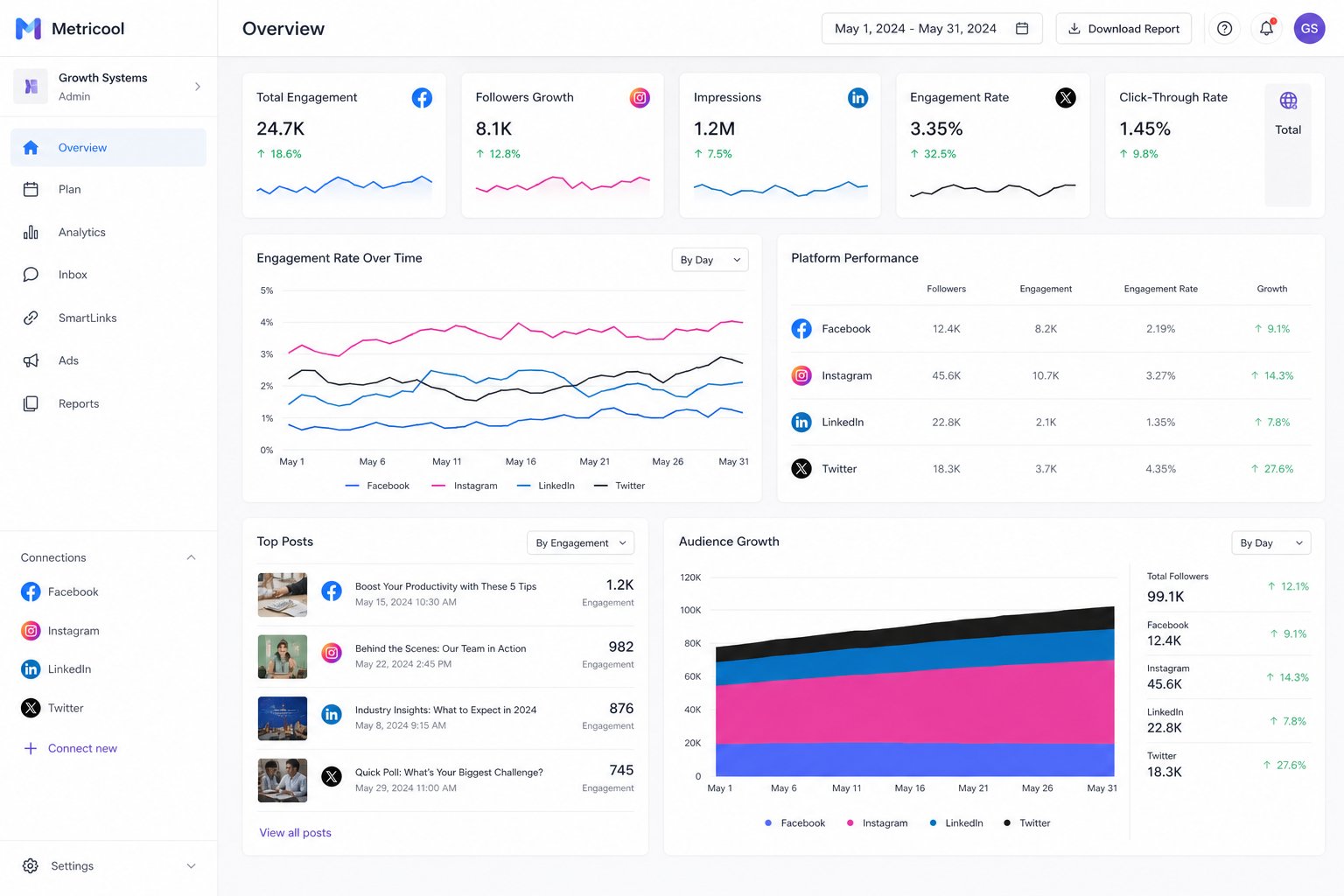
LinkedIn budgets should be planned around the size of the target audience, desired frequency, content offer, sales capacity, account value, and sales-cycle length. A small audience may saturate quickly, while a broad professional audience may require sufficient spend to produce useful learning.
We assess:
- Total addressable audience.
- Target-account count and coverage.
- Minimum viable reach and frequency.
- Lead or opportunity targets.
- Conversion rate assumptions.
- Average contract value.
- Gross margin and CAC tolerance.
- Sales capacity and response time.
- Testing budget versus scaling budget.
- Seasonality and event dates.
Scaling may involve expanding target-account tiers, adding buying roles, introducing new creative formats, promoting stronger offers, opening adjacent industries, increasing budgets gradually, or improving conversion-value feedback. It should not mean increasing spend before fixing tracking, qualification, or sales follow-up.
Retargeting and Buying-Group Nurture
B2B retargeting should reflect professional behavior and buying stage. Useful audiences may include website visitors, content readers, video viewers, document engagers, event registrants, Lead Gen Form openers, existing leads, opportunity accounts, and customers.
Examples of nurture logic include:
- Show an introductory guide to cold ICP audiences.
- Show a case study to people who engaged with educational content.
- Show a technical implementation guide to evaluators.
- Show a consultation or demo to high-intent visitors.
- Exclude converted leads from acquisition campaigns.
- Provide event reminders to registrants.
- Promote expansion or training to existing customers.
Audience windows, exclusions, frequency, message progression, consent, and CRM stage changes should be documented. Repeating one acquisition ad to a known opportunity may create a poor experience and waste budget.
Reporting, Attribution, and Pipeline Measurement
LinkedIn reporting may differ from CRM, analytics, marketing automation, and finance systems because each platform has different attribution windows, time zones, conversion definitions, processing rules, and data availability.
We create separate reporting views for campaign optimization and executive management. Platform reports can help analyze delivery, creative, audience, and conversion signals. CRM and finance data can help evaluate qualified pipeline, win rate, revenue, margin, and customer value.
A useful B2B report may include:
- Spend and budget pacing.
- Reach, impressions, CPM, and frequency.
- Click-through rate and landing-page views.
- Content engagement and video completion.
- Lead volume and cost per lead.
- Lead-to-MQL and MQL-to-SQL rates.
- Opportunity creation and pipeline value.
- Cost per opportunity.
- Account engagement and buying-group coverage.
- Closed revenue, CAC, ROAS, and payback period.
- Creative and audience learnings.
- Recommended next actions.
Illustrative B2B Funnel Table
| Funnel stage | Example volume | Example rate | Management question |
|---|---|---|---|
| Target-account impressions | 100,000 | — | Are priority accounts being reached? |
| Engaged visits or content actions | 4,000 | 4.0% | Does the message create interest? |
| Lead or registration actions | 320 | 8.0% of engaged actions | Is the offer relevant and credible? |
| Marketing-qualified leads | 96 | 30.0% of leads | Are contacts commercially relevant? |
| Sales-qualified opportunities | 24 | 25.0% of MQLs | Is sales accepting the opportunity? |
| Closed customers | 6 | 25.0% of opportunities | Is the program producing revenue? |
Illustrative example only. Actual funnel rates differ widely by industry, offer, sales cycle, and qualification model.
Privacy, Consent, and Data Governance
LinkedIn advertising measurement should be implemented with appropriate privacy and data-governance controls. Requirements depend on the user’s location, business type, data source, and legal environment. We review consent management, privacy notices, customer-list permissions, data retention, audience eligibility, user access, and vendor responsibilities.
Technical governance may include consent-aware tags, restricted processing where applicable, careful customer-list management, secure CRM integration, role-based access, documentation of data flows, and regular removal of unnecessary users or partners.
Better attribution should not be achieved by collecting data without a valid business and privacy basis. We help organizations identify what data is needed for optimization and what information should not be collected or retained unnecessarily.
Automation, Monitoring, and Quality Control
Automation can assist with account monitoring and reporting. We may use dashboards, alerts, spreadsheets, CRM workflows, tag-management checks, or integrations to monitor:
- Sudden spend changes.
- Conversion drops.
- Disapproved ads.
- Landing-page errors.
- Broken tracking tags.
- Lead-delivery failures.
- CRM synchronization issues.
- Audience size changes.
- High frequency in small segments.
- Campaigns with no delivery.
- Unusual cost-per-opportunity movement.
- Offline conversion import failures.
Automated actions should be governed carefully. A campaign may experience a temporary increase in cost because a high-value opportunity is still in the sales cycle. We define thresholds, time windows, exclusions, approval requirements, and human review before automated pausing or budget changes.
LinkedIn Advertising for Different Business Models
B2B Software and Technology
Technology companies often need to reach multiple roles, educate the market, demonstrate product value, and support long sales cycles. Campaigns may combine thought leadership, technical content, case studies, product demonstrations, webinars, Lead Gen Forms, retargeting, and CRM-connected opportunity reporting.
Professional Services
Consulting, legal, financial, engineering, recruitment, and other professional firms need trust and expertise. LinkedIn ads can promote research, senior insight, diagnostic assessments, case studies, event participation, or direct conversations. Qualification and response quality matter more than raw form volume.
Enterprise and Account-Based Marketing
Enterprise sellers can use named-account lists, company segments, buying-role messaging, account engagement, sales alignment, and opportunity-stage nurture. Measurement should focus on account penetration, engaged buying groups, meetings, pipeline, and revenue rather than only clicks.
Education, Training, and Events
LinkedIn can reach professionals based on industry, function, seniority, skills, and career context. Campaigns may promote executive programs, certifications, events, webinars, reports, or training courses. Registration, attendance, application, and enrolment should be tracked as distinct stages.
Recruitment and Employer Brand
Professional advertising can support recruitment, talent awareness, employer-brand communication, and event promotion. Creative, audience, job-market competition, location, and candidate experience must align. Recruitment metrics may include qualified applications, completed applications, interview rate, and cost per hire.
Why Choose Unified Management Consulting?
B2B Strategy and Technical Execution Together
We connect audience planning, creative, tracking, sales process, CRM, reporting, and management decisions. The work is designed around revenue and pipeline rather than isolated channel metrics.
Account-Based Marketing Discipline
We help connect marketing and sales around priority accounts, buying roles, content, opportunity stages, and next actions. This improves communication between teams and makes LinkedIn activity more commercially useful.
Clear Reporting
You should understand where budget is being spent, which accounts are engaging, what creative is working, how leads are progressing, and what decision should be made next. We translate platform data into management information.
Customized Campaign Architecture
Every account has different requirements. We design around your ICP, target-account list, contract value, sales cycle, geography, creative capacity, CRM maturity, and operational resources.
Focus on Business Outcomes
Clicks and impressions may help diagnose performance, but the ultimate focus is qualified demand, opportunities, revenue, margin, customer acquisition cost, and long-term account value.
LinkedIn Advertising Management Pricing
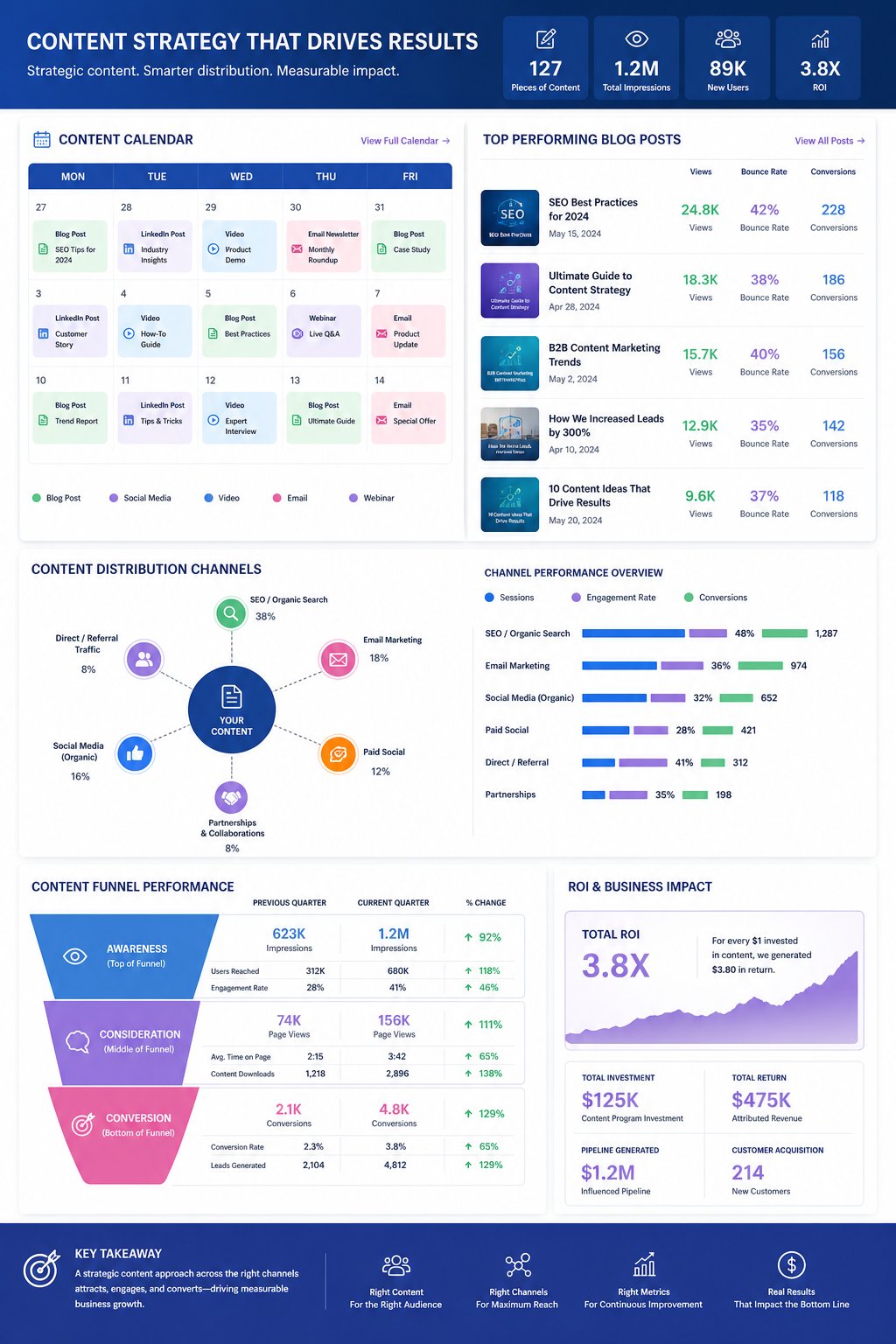
Management fees depend on campaign complexity, number of markets, creative requirements, account-based marketing scope, target-account volume, ad spend, CRM integration, reporting requirements, content production, and consulting support.
Before choosing a provider, clarify whether the service includes:
- ICP and account-list strategy.
- Campaign Manager audit and setup.
- Audience and buying-committee architecture.
- Campaign and naming conventions.
- Ad copy and creative direction.
- Document, video, carousel, and thought-leader strategy.
- Lead Gen Forms.
- Insight Tag and conversion configuration.
- CRM and offline conversion integration.
- Landing-page recommendations.
- Ongoing optimization.
- Account penetration reporting.
- Pipeline and revenue reporting.
- Monthly review meetings.
The media budget is normally paid to LinkedIn separately from the management fee. Account ownership, matched-audience data, creative assets, CRM access, and reporting access should be clearly documented.
How Performance Is Evaluated
No ethical provider can guarantee a fixed number of leads, meetings, opportunities, or revenue. LinkedIn performance depends on the addressable audience, offer, professional relevance, creative quality, media cost, sales cycle, budget, tracking, sales follow-up, market conditions, and customer economics.
Early work may focus on account health, audience coverage, conversion tracking, creative learning, landing-page relevance, and lead quality. Later reporting can evaluate opportunity creation, pipeline value, sales acceptance, win rate, revenue, CAC, payback period, and customer lifetime value.
A campaign with a higher cost per lead may be more valuable if it generates stronger opportunities. A campaign with a lower click-through rate may still be successful if the traffic reaches the right accounts and creates pipeline. Metrics must be interpreted in the context of the B2B sales journey.
Technical Audit Checklist
Before increasing LinkedIn advertising budget, we assess:
- Whether the campaign objective matches the desired business outcome.
- Whether the ICP and account list are accurate and current.
- Whether audience size is large enough for the budget and objective.
- Whether job-title, function, seniority, and company filters are appropriate.
- Whether buying-committee roles are represented.
- Whether Matched Audiences are clean, consented, and updated.
- Whether Insight Tag events and conversions are firing correctly.
- Whether server-side or offline conversion feedback is appropriate.
- Whether Lead Gen Forms balance completion and qualification.
- Whether UTM parameters and CRM source fields are consistent.
- Whether creative formats match the placement and buying stage.
- Whether frequency and account coverage are healthy.
- Whether landing pages provide sufficient B2B proof and clarity.
- Whether reporting is reconciled with CRM and finance data.
- Whether sales response time and follow-up are sufficient.
- Whether the organization can fulfil additional demand.
Frequently Asked Questions About LinkedIn Advertising Management
What is LinkedIn advertising management?
LinkedIn advertising management is the ongoing strategy, setup, creative, audience, tracking, budget, optimization, and reporting work required to run paid campaigns through LinkedIn Campaign Manager. It includes both platform execution and the business analysis needed to connect advertising with pipeline and revenue.
Is LinkedIn advertising suitable for small businesses?
It can be suitable for small businesses with a clearly defined professional audience, high-value offer, focused geography, or sufficient customer lifetime value. Because LinkedIn media can be more expensive than some other channels, the campaign should be evaluated using qualified leads, opportunities, revenue, and account value rather than cheap traffic alone.
Can LinkedIn target job titles and company names?
LinkedIn offers professional and company-related audience controls, subject to current platform availability, audience size, eligibility, and regional rules. We help determine whether job title, job function, seniority, industry, company, company size, skills, or account-list targeting provides the right balance of relevance and reach.
What is LinkedIn account-based marketing?
Account-based marketing focuses advertising and sales activity on a defined group of target companies and the people involved in their buying process. LinkedIn can support ABM through company and contact audiences, professional role targeting, tailored content, retargeting, and account-level reporting.
Can LinkedIn generate leads directly?
Yes. LinkedIn Lead Gen Forms can allow users to submit information without completing a separate website form. Form quality, qualification questions, CRM delivery, follow-up, and lifecycle measurement determine whether the leads are commercially useful.
Can LinkedIn track offline sales and revenue?
Where the technical environment supports it, offline or server-side conversion data can connect advertising with later CRM stages such as qualified opportunity, closed customer, or revenue. This is especially important for B2B businesses with long sales cycles.
How long does it take to see results?
Campaigns may begin delivering after approval, but reliable evaluation requires sufficient impressions, engagement, conversion data, and sales-cycle time. A long B2B buying process may require several months before revenue performance can be judged accurately.
Should we use Lead Gen Forms or a website landing page?
Lead Gen Forms reduce friction and can improve completion rates. Landing pages provide more space for education, proof, qualification, and brand experience. The better option depends on the offer, customer readiness, sales process, and amount of information required.
Do you guarantee leads or pipeline?
No. A guaranteed result would ignore the variables that influence B2B advertising. We provide a clear methodology, technical implementation, test plan, reporting framework, and recommendations based on observed performance.
Build a More Accountable LinkedIn Advertising System
LinkedIn advertising can help businesses build professional visibility, reach decision-makers, support account-based marketing, generate qualified leads, educate buying committees, and create measurable pipeline. Strong performance comes from combining accurate audience architecture, useful content, persuasive creative, reliable conversion tracking, CRM feedback, aligned sales follow-up, and disciplined optimization.
Unified Management Consulting helps organizations bring these components together. Our LinkedIn advertising management services are designed for businesses that want to understand not only what their campaigns are doing, but why they are doing it and how advertising contributes to revenue.
Contact Unified Management Consulting for a LinkedIn advertising audit, account-based marketing plan, Campaign Manager review, Insight Tag assessment, CRM integration, or customized B2B advertising strategy.
Suggested SEO Metadata
SEO title: LinkedIn Advertising Management Services | Unified Management Consulting
Meta description: Grow B2B pipeline with LinkedIn advertising management services covering Campaign Manager, account-based marketing, Lead Gen Forms, Insight Tag, CRM integration, and reporting.
Suggested URL slug: /linkedin-advertising-management-services/
Primary keyword: LinkedIn advertising management services
Secondary keywords: LinkedIn Ads management, LinkedIn advertising agency, LinkedIn campaign management, B2B LinkedIn advertising, LinkedIn lead generation, LinkedIn account-based marketing, LinkedIn Campaign Manager, LinkedIn Insight Tag, LinkedIn Ads consultant, B2B paid social management
Suggested Calls to Action
- Request a LinkedIn advertising account audit
- Build an account-based marketing campaign
- Improve B2B lead quality
- Connect LinkedIn Ads to your CRM
- Review your Insight Tag and conversion tracking
- Schedule a LinkedIn advertising strategy consultation