
Artificial Intelligence Optimization (AIEO)
Make your organization easier for artificial intelligence systems to understand, retrieve, cite, recommend, and trust. Unified Management Consulting provides Artificial Intelligence Optimization (AIEO) services covering AI search visibility, answer-engine optimization, generative engine optimization, entity management, structured data, content architecture, retrieval readiness, digital authority, measurement, and management consulting.
📋 AIEO Services — Quick Summary
Service What We Do AIEO Strategy AI search engine analysis, citation optimization, and visibility tracking across ChatGPT, Perplexity, Claude, and Google AI Overviews Content Optimization Restructure content for AI consumption with entity markup, structured data, and authoritative sourcing Brand Monitoring Track AI brand mentions, sentiment analysis, and competitive citation intelligence Technical AIEO Schema markup, entity graphs, knowledge panel optimization, and AI-readable content structure Key Results 3-5x increase in AI citations, 40% more brand mentions in AI responses Investment $3,000-$10,000/month based on scope and competitiveness
Artificial Intelligence Optimization, commonly shortened to AIEO, describes the process of improving how a company, brand, product, service, website, and expertise are represented and surfaced by AI-powered search and answer systems. Depending on the market, related terms include Answer Engine Optimization (AEO), Generative Engine Optimization (GEO), Large Language Model Optimization (LLMO), AI search optimization, and generative search visibility.
AI systems may use web pages, structured data, product information, public references, reviews, documents, knowledge bases, APIs, and other sources to generate answers, summaries, recommendations, comparisons, and follow-up actions. AIEO is therefore broader than traditional keyword ranking. It involves making information discoverable, extractable, understandable, consistent, authoritative, current, and useful across the systems that may retrieve or synthesize it.
No provider can guarantee that a specific AI system will mention, cite, recommend, or rank a brand. AI outputs can vary by model, user prompt, location, context, retrieval source, date, personalization, system configuration, and available data. Unified Management Consulting focuses on improving the underlying signals and measuring visibility responsibly rather than promising control over systems that are not fully transparent.
At-a-Glance AIEO Growth Framework
| AI visibility stage | What we manage | Key technical signals | Business outcome |
|---|---|---|---|
| Discoverability | Crawl access, feeds, documents, APIs, public sources | Retrieval, indexation, source accessibility | More eligible information |
| Comprehension | Entities, definitions, relationships, structured content | Entity consistency, schema, attribute coverage | Better understanding of the business |
| Retrieval | Question-answer content, chunks, headings, references | Citation eligibility, retrieval tests, content coverage | More relevant source selection |
| Trust | Expertise, reviews, references, authorship, reputation | Brand mentions, source quality, corroboration | Higher confidence in information |
| Answer inclusion | Direct answers, comparisons, product and service facts | AI response mentions, citations, answer share | Greater AI visibility |
| Action | Links, CTAs, product feeds, booking and conversion paths | AI-referred visits, leads, purchases | Measurable commercial outcomes |
Illustrative AI Visibility Improvement Graph
This graph is an illustrative planning model, not a guarantee of AI mentions, citations, referrals, or revenue.
textIllustrative AI answer visibility and source readiness

100 |                                      ███████████████████████  Mature system
 85 |                                ███████████████████           Entity consistency
 70 |                          █████████████████                   Source and content coverage
 55 |                    ███████████████                           Technical accessibility
 40 |              ███████████                                     Citation and trust baseline
 25 |        ██████                                                Prompt and entity audit
 10 |  ███                                                         Starting point
     +-------------------------------------------------------------------
       Month 1       Month 3       Month 6       Month 9       Month 12
AIEO progress can be cumulative. Technical accessibility may be improved first. Entity and content work can take time to publish and be discovered. Trust and corroboration develop through consistent information, expert references, reviews, digital PR, and customer experience. Measurement also improves as prompt libraries, citation tracking, referral analytics, and brand monitoring mature.
The AIEO Visibility Journey
textBusiness, audience, and AI-use-case discovery
                    ↓
Prompt, entity, competitor, and answer-surface research
                    ↓
Crawlable, structured, consistent source information
                    ↓
Question-answer content and retrieval-friendly architecture
                    ↓
Expertise, references, reviews, and corroborating sources
                    ↓
AI answer monitoring, citation analysis, and hallucination checks
                    ↓
AI-referred visits, leads, sales, product discovery, and brand demand
                    ↓
Content refresh, source correction, entity governance, and measurement
What Are Artificial Intelligence Optimization Services?
Artificial Intelligence Optimization services help organizations improve the quality, accessibility, structure, authority, and usefulness of information that AI-powered search, answer, recommendation, and retrieval systems may use.
Depending on your organization, AIEO services may include:
- AI search visibility audits.
- Answer-engine and generative search analysis.
- Generative Engine Optimization strategy.
- Large Language Model visibility assessment.
- Prompt and response monitoring.
- Entity and knowledge-graph optimization.
- Brand, product, service, and person entity consistency.
- Structured data and schema implementation.
- Retrieval-ready content architecture.
- Question and answer content strategy.
- Content chunking and semantic organization.
- Documentation and knowledge-base optimization.
- Product-feed and catalogue quality.
- API and machine-readable information planning.
- Citation and source-coverage analysis.
- Digital PR and authoritative brand mentions.
- Review and reputation signal analysis.
- AI hallucination and misinformation monitoring.
- AI referral and conversion measurement.
- Internal enterprise knowledge optimization.
- Governance for AI-generated and AI-assisted content.
- Technical SEO foundations that support discovery.
- Local, ecommerce, B2B, enterprise, and international AIEO.
AIEO should not be treated as a replacement for SEO, content quality, product marketing, public relations, customer experience, or technical documentation. It builds on these disciplines and adapts them to systems that generate answers rather than only display ranked links.
Why AIEO Requires a Different Optimization Model
Traditional search optimization often focuses on ranking pages for queries and earning clicks. AI systems may instead synthesize information from multiple sources, answer a question directly, compare options, cite selected pages, recommend products, or provide a follow-up path.
This changes the optimization questions. Instead of asking only “What position does this page rank at?” an organization may need to ask:
- Does the system understand what our company does?
- Is our product category and service area clear?
- Are important facts available in extractable language?
- Are facts consistent across our website and trusted third-party sources?
- Do authoritative sources describe our expertise or product accurately?
- Can an AI system distinguish our brand from similarly named entities?
- Are we present when users ask comparison, problem, use-case, or local questions?
- Does the generated answer cite or link to a useful source?
- Does the AI-referred visitor reach a clear conversion path?
- What happens when a system produces an inaccurate or outdated statement?
AIEO is not about inserting unnatural phrases or trying to manipulate a language model. It is about improving the information environment around the organization so that systems have better evidence to retrieve and users receive clearer answers.
Our Artificial Intelligence Optimization Process
1. Business, Entity, and Customer Discovery
We begin with your business model, audience, products, services, locations, industries, differentiators, expertise, customer questions, competitors, sales cycle, and commercial goals.
We identify the AI use cases most relevant to the organization:
- Customers asking AI systems for product recommendations.
- Buyers comparing providers or software.
- Users looking for a local service.
- Professionals requesting implementation guidance.
- Researchers seeking definitions or industry explanations.
- Procurement teams comparing vendors.
- Developers looking for documentation or integrations.
- Customers needing support answers.
- Employees using internal enterprise knowledge systems.
- Users asking for travel, lifestyle, shopping, healthcare, or financial information where appropriate.
We map these use cases to prompts, entities, source pages, product data, reviews, documentation, and conversion paths. The aim is to understand what the AI system needs to know and what the customer needs to do next.
2. AI Visibility and Prompt Audit
An AIEO audit begins with a controlled prompt set. We create prompts based on brand, category, problem, use case, comparison, location, customer type, product, service, and competitor scenarios.
Example prompt groups may include:
- “What are the best providers for [service] in [location]?”
- “How do I solve [customer problem]?”
- “Which tools are suitable for [use case]?”
- “Compare [brand] with alternatives for [customer type].”
- “What should I look for when buying [product category]?”
- “Which companies specialize in [industry solution]?”
- “What is the implementation process for [service]?”
- “What are the risks and trade-offs of [solution]?”
We record whether the organization is mentioned, how it is described, which sources are cited, whether competitors appear, what claims are inaccurate, and whether the response offers an actionable link or next step.
AI responses can change across models and sessions, so monitoring should use a repeatable methodology. We document model, date, prompt, location, settings, response, citations, entity descriptions, competitors, and confidence level.
3. Entity and Knowledge-Graph Audit
AI systems need to distinguish entities and relationships. An entity may be a company, person, product, service, location, organization, software platform, publication, or concept. Entity optimization improves the consistency and clarity of those representations.
We audit:
- Official organization name.
- Alternative names and abbreviations.
- Domain and social profiles.
- Business locations.
- Founders, leaders, authors, and experts.
- Products, services, categories, and variants.
- Parent, subsidiary, partner, and brand relationships.
- Industry and professional associations.
- Customer types and use cases.
- Reviews, references, and third-party descriptions.
- Organization and product identifiers where available.
- Conflicting facts across websites and directories.
A company that describes itself differently across its website, social profiles, directories, press coverage, product catalogues, and partner pages may be harder for systems to represent accurately. We create an entity consistency plan that identifies the preferred facts, owners, sources, and update process.
4. Source and Content Coverage Analysis
We map AI-use-case prompts to the pages and sources that should support them. These may include service pages, product pages, comparison pages, documentation, FAQs, case studies, author profiles, research, support articles, local pages, product feeds, reviews, and trusted third-party references.
A source coverage matrix can reveal:
- Important questions with no authoritative answer.
- Pages that answer a question but are difficult to extract.
- Conflicting product or service details.
- Claims without supporting evidence.
- Weak comparison and alternative content.
- Missing location or availability information.
- Outdated policies, prices, specifications, or dates.
- Content that attracts attention but does not support conversion.
The goal is not to publish thousands of pages. It is to create a clear, differentiated, and maintained source system.
Technical AIEO Services
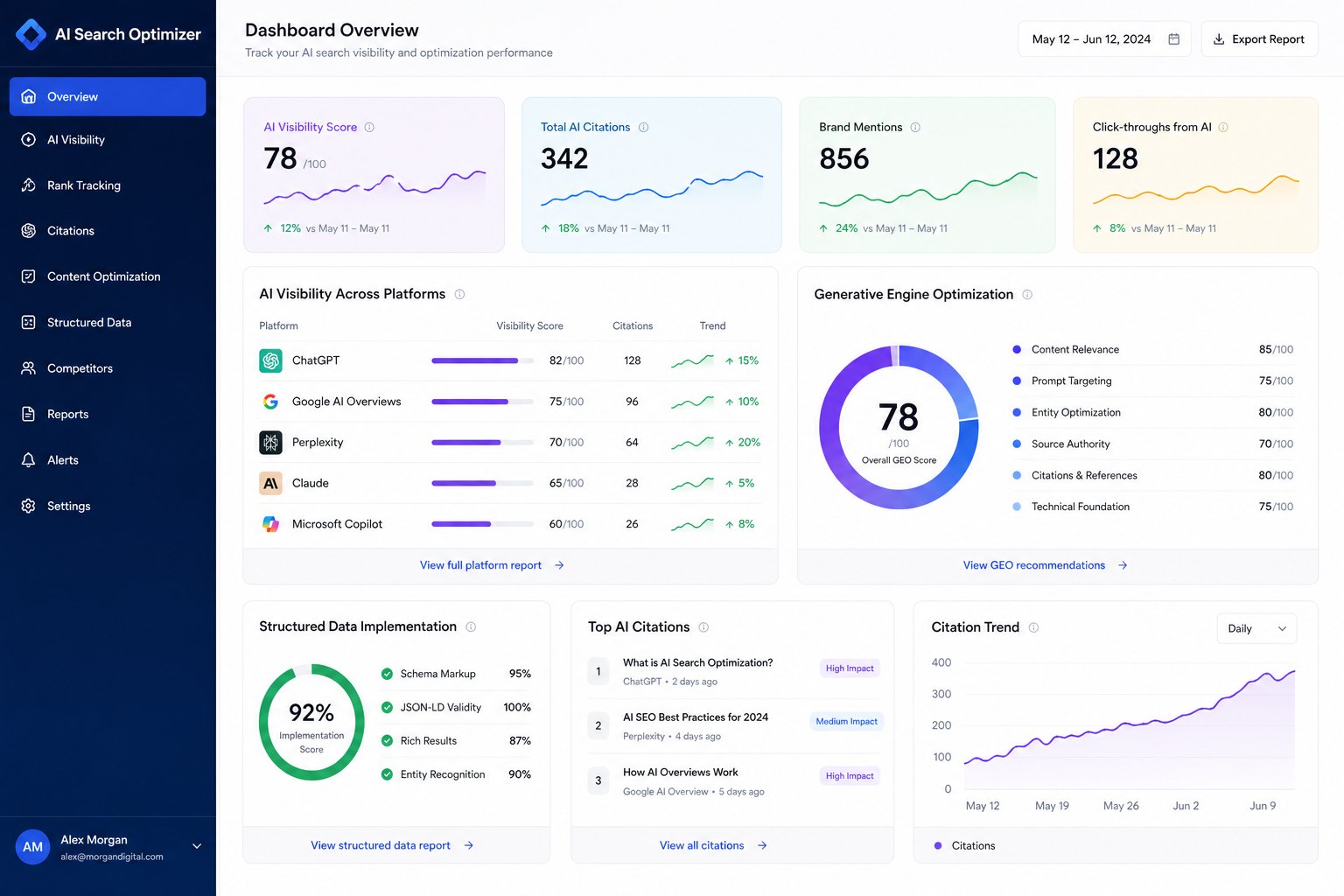
Technical AIEO builds on technical SEO but adds a focus on machine readability, retrieval, source clarity, data consistency, and integration with systems that may consume information.
Crawlability and Retrieval Access
AI search systems and retrieval tools may rely on web discovery, search indexes, crawlers, feeds, APIs, direct integrations, or licensed data. We review whether important information is accessible through:
- Search-engine crawling.
- Robots.txt and related directives.
- XML sitemaps.
- HTML content.
- Structured data.
- Public documentation.
- Product feeds.
- Knowledge-base systems.
- APIs and machine-readable endpoints.
- Internal enterprise search connectors.
No single file or directive guarantees inclusion in an AI answer. We evaluate the complete information ecosystem and respect access controls, licensing, privacy, and platform requirements.
Machine-Readable Website Structure
Important facts should not be hidden only in images, inaccessible scripts, complex interfaces, or unlabelled design components. We review HTML structure, headings, tables, lists, definitions, metadata, structured data, link relationships, and content availability after rendering.
A useful page should make it easy to identify:
- What the organization or product is.
- Who it serves.
- Where it operates.
- What it does.
- How it differs.
- What evidence supports its claims.
- What the limitations are.
- How to contact, buy, book, or learn more.
Structured Data and Schema
Structured data can provide explicit information about entities and relationships. Depending on the page, relevant schema types may include Organization, LocalBusiness, Person, Product, Offer, Service, Article, Author, Review, BreadcrumbList, Event, Course, FAQPage where eligible, SoftwareApplication, Dataset, and other supported types.
We validate:
- Entity names and identifiers.
- Organization relationships.
- Product IDs, prices, currencies, and availability.
- Service areas and offers.
- Authors, publishers, and dates.
- Review and rating details.
- Event schedules and locations.
- Breadcrumb relationships.
- Visible content versus markup.
- Errors, warnings, and deployment changes.
Structured data does not guarantee AI citations or rich results. It should be accurate, current, supported by visible information, and implemented for understanding rather than manipulation.
Product Feeds and Catalogues
For ecommerce and product businesses, AI systems may use product feeds, merchant data, catalogues, reviews, specifications, availability, pricing, and category attributes. We review:
- Product identifiers.
- Product titles and descriptions.
- Brand and manufacturer fields.
- Variants and attributes.
- Price and currency.
- Availability and inventory.
- Shipping and return information.
- Images and media.
- Reviews and ratings.
- Product relationships.
- Category and use-case information.
- Feed freshness and error handling.
Inconsistent price, availability, product names, or specifications can create poor recommendations and customer frustration. AIEO should be connected to ecommerce data governance.
Answer-Ready Content Strategy
AI answer systems often need concise, well-structured information that can be combined with other sources. We develop content that provides direct answers while preserving depth, evidence, nuance, and a useful user journey.
Answer-Ready Content Characteristics
- Clear question or user problem.
- Direct answer near the beginning.
- Logical heading structure.
- Definitions of specialist terms.
- Specific facts, dates, locations, and conditions.
- Short paragraphs and meaningful lists.
- Comparison tables where appropriate.
- Examples and use cases.
- Evidence, references, and author information.
- Explicit limitations and exceptions.
- Links to supporting pages.
- Clear next step.
- Maintenance owner and review date.
Answer-ready does not mean reducing every topic to a short paragraph. Complex subjects require context and careful qualification. The objective is to make the information easy to retrieve without making it inaccurate or oversimplified.
Prompt and Intent Mapping Table
| AI user intent | Example prompt | Recommended source | Commercial next step |
|---|---|---|---|
| Definition | “What is [category]?” | Glossary or educational guide | Explore the solution |
| Problem solving | “How can I fix [problem]?” | Practical guide or service page | Request an assessment |
| Comparison | “Which [options] are best for [use case]?” | Comparison or buyer guide | Review product or service |
| Local selection | “Who provides [service] in [location]?” | Local service page and profile | Call or book |
| Product research | “What should I look for in [product]?” | Buyer guide and product data | View products |
| Implementation | “How do I implement [solution]?” | Documentation or technical guide | Contact an expert |
| Trust evaluation | “Is [brand] reliable?” | Case studies, reviews, evidence | Start a conversation |
Content Chunking and Semantic Organization
Retrieval systems may select passages rather than present an entire page. We review whether content is organized into meaningful sections that can stand on their own without losing context.
Useful practices can include descriptive headings, direct answer paragraphs, labelled tables, consistent terminology, explicit references, and nearby definitions. Chunking should not result in disconnected fragments. Every section should remain accurate when read in context.
Documentation and Knowledge Bases
Technical and support organizations can improve AI usefulness by organizing documentation around tasks, prerequisites, procedures, examples, errors, troubleshooting, version information, and escalation paths.
We review:
- Version and release labels.
- Product and feature names.
- Code examples and syntax.
- API specifications.
- Authentication requirements.
- Error messages and solutions.
- Prerequisites and limitations.
- Cross-links and navigation.
- Deprecated content.
- Search and retrieval metadata.
- Customer-facing versus internal content.
Authority, Reputation, and Citation Readiness
AI systems may seek corroboration when generating answers. A company’s own website is important, but independent, credible references can strengthen confidence and disambiguation.
Authority and citation-readiness services may include:
- Expert-led content.
- Original research and data.
- Digital PR.
- Industry publications.
- Professional associations.
- Reviews and customer stories.
- Case studies.
- Conference participation.
- Author and organization profiles.
- Relevant partnerships.
- Product documentation references.
- Local and community sources.
We do not recommend fabricated reviews, fake expert quotes, coordinated spam, mass-produced pages, or artificial references. AIEO should improve the real information environment around the organization.
Citation and Source Table
| Source type | What it can support | Governance requirement |
|---|---|---|
| Official website | Product, service, location, process, company facts | Accuracy and update ownership |
| Technical documentation | Features, implementation, limits, support | Version control and review |
| Customer reviews | Experience, satisfaction, common outcomes | Authenticity and response process |
| Industry publication | Expertise, category context, reputation | Editorial accuracy and attribution |
| Professional association | Credentials and membership | Current status and verification |
| Research or data | Original evidence and insight | Methodology and source transparency |
| Product or merchant feed | Price, stock, attributes, availability | Freshness and error monitoring |
AI Hallucination and Misinformation Monitoring
AI systems can produce inaccurate, outdated, conflated, or unsupported statements. Organizations should monitor how they are described for important prompts and identify whether incorrect information is caused by outdated official content, conflicting third-party sources, ambiguous entities, weak documentation, or model behavior.
AIEO monitoring can record:
- Incorrect company descriptions.
- Wrong product or service capabilities.
- Incorrect locations or contact details.
- Outdated prices, dates, or availability.
- Confusion with another organization.
- Misattributed reviews or credentials.
- Incorrect comparisons.
- Unsupported claims.
- Missing limitations or safety information.
- Broken or irrelevant citations.
The appropriate response depends on the issue. We may correct official sources, update structured data, improve documentation, publish clarifying content, contact third-party publishers, update profiles, add disambiguation, or escalate serious misinformation through an appropriate channel. There is no guaranteed method to force an AI system to change a response immediately.
AI Search Measurement and Reporting
AIEO measurement is developing and differs from traditional search reporting. We combine controlled prompt monitoring with web analytics, brand measurement, referral data, citation analysis, content performance, and customer research.
Useful measurement categories include:
- Prompt visibility.
- Brand mention rate.
- Citation frequency.
- Source selection.
- Competitor inclusion.
- Description accuracy.
- Entity consistency.
- Answer sentiment or framing.
- AI-referred sessions.
- AI-referred leads and sales.
- Branded search demand.
- Direct traffic and assisted conversions.
- Content indexing and engagement.
- Product or service recommendation presence.
AI visibility is not always a simple ranking. We document the prompt, model or interface, date, location, user context, response, citations, and methodology so results can be interpreted responsibly.
Illustrative AIEO Funnel Table
| Measurement stage | Example signal | Management question |
|---|---|---|
| Source readiness | Accessible pages, schema, feeds, documents | Can systems discover and interpret the facts? |
| Answer inclusion | Mention, citation, or recommendation | Does the organization appear for relevant prompts? |
| Accuracy | Correct description and current facts | Is the brand represented reliably? |
| Referral | AI-attributed or AI-assisted visit | Are users reaching owned properties? |
| Engagement | Page depth, document use, product interaction | Does the content satisfy the user? |
| Conversion | Lead, purchase, booking, or signup | Is AI visibility creating business value? |
| Retention | Repeat purchase, support success, loyalty | Does the relationship produce long-term value? |
Illustrative framework only. Attribution may be incomplete because not every AI interface passes a clear referral signal.
AIEO, Technical SEO, and Traditional Search
AIEO does not replace technical SEO. Search crawlers, indexes, page experience, structured data, internal links, content quality, and authority can all influence whether information is available to systems that support AI answers.
We review:
- Crawlability and indexability.
- XML sitemaps and robots controls.
- Canonical URLs.
- JavaScript rendering.
- Page speed and Core Web Vitals.
- Mobile content and usability.
- Titles, headings, and content structure.
- Internal links.
- Structured data.
- Local and ecommerce signals.
- Digital authority and references.
- Search Console and analytics data.
Traditional search may produce a click to a page, while AI search may provide a synthesized answer with a citation or no click. Both visibility types should be measured, and content should be designed to support users whether they need an immediate answer or a deeper destination.
Internal Enterprise AIEO
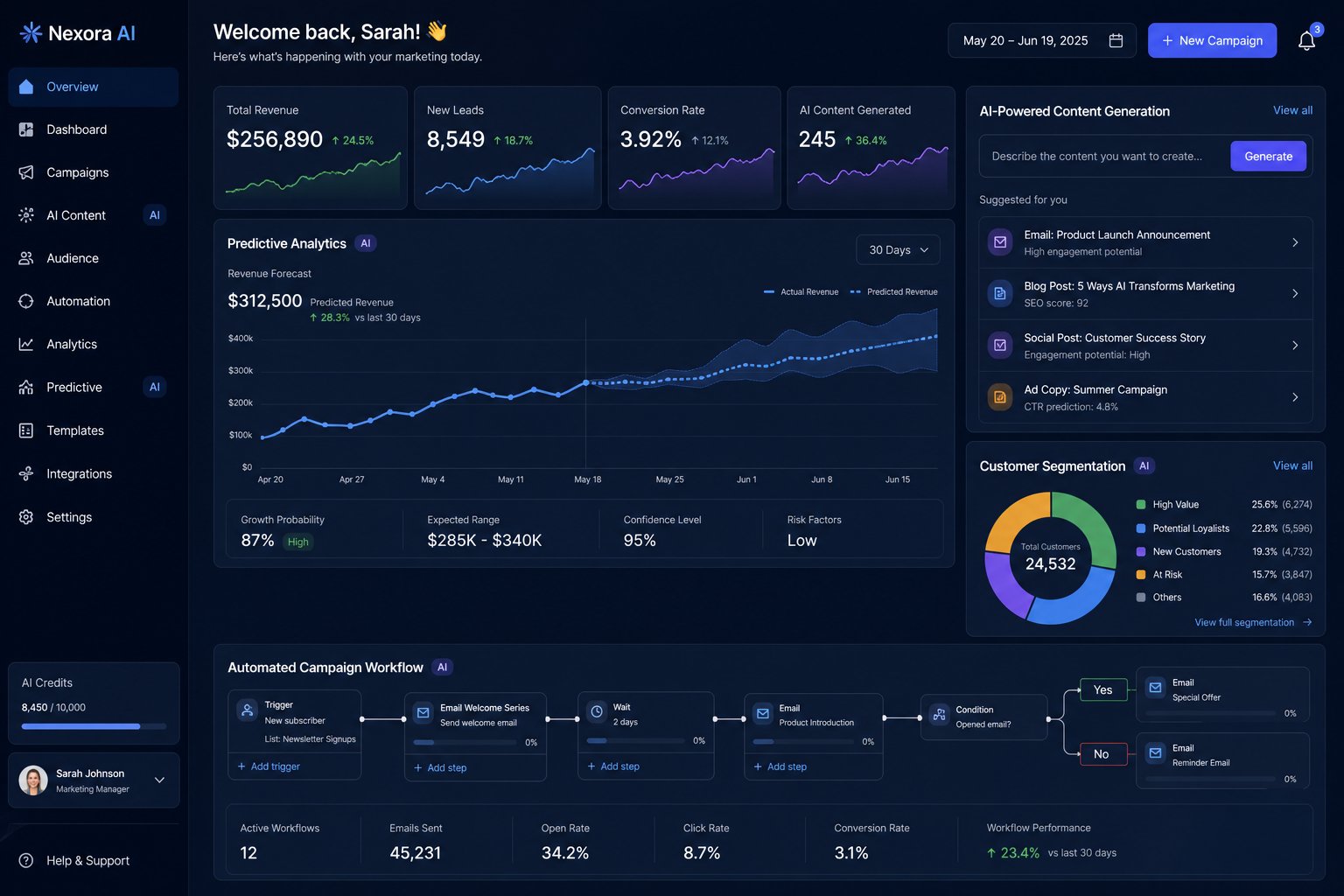
AIEO can also apply to internal enterprise AI systems that retrieve information from company documents, policies, product systems, CRM records, intranets, support platforms, and knowledge bases. Internal optimization focuses on retrieval quality, permissions, document structure, freshness, metadata, and safe access.
Internal enterprise services may include:
- Knowledge-base audits.
- Document taxonomy.
- Metadata and tagging.
- Ownership and review dates.
- Version control.
- Duplicate and conflicting content.
- Access and permission mapping.
- Chunking and retrieval testing.
- Frequently asked question coverage.
- API and connector readiness.
- Grounded answer evaluation.
- Hallucination and citation testing.
- Human escalation processes.
A technically clean knowledge base can reduce repeated questions, improve employee productivity, support customer service, and provide more consistent answers. However, access controls and confidential information must be designed into the system from the beginning.
Ecommerce and Product AIEO
AI-assisted shopping experiences may use product names, specifications, categories, images, pricing, availability, reviews, shipping, returns, and customer questions. Product AIEO connects content quality with catalogue and commerce data.
We review:
- Product entity names and identifiers.
- Product attributes and variants.
- Use cases and customer problems.
- Comparisons and alternatives.
- Price, currency, and availability.
- Shipping, returns, and warranty information.
- Reviews and ratings.
- Structured data and product feeds.
- Product-category relationships.
- Product-page content.
- Merchant and marketplace data.
- Purchase and margin reporting.
The goal is not to force a recommendation. It is to ensure that systems and customers can understand the product accurately and evaluate whether it fits a need.
Local AIEO Services
Local AI questions may ask for nearby providers, service areas, opening hours, qualifications, prices, availability, reviews, or recommendations. Local AIEO depends on consistent business information across the website, business profiles, directories, reviews, local publications, and structured data.
We review:
- Official name, address, phone, and website.
- Service areas and location pages.
- Opening hours and holiday changes.
- LocalBusiness schema.
- Services and categories.
- Reviews and responses.
- Local references and community sources.
- Staff and credentials where relevant.
- Appointment, call, and enquiry paths.
- Accuracy of third-party listings.
Creating false locations or misleading service-area claims can harm users and trust. Local AIEO should reflect real operational coverage.
International and Multilingual AIEO
AI systems may respond in different languages and may combine information across regions. International AIEO requires more than direct translation. We review localization, terminology, country-specific products, currency, legal information, contact details, hreflang, structured data, local references, and region-specific customer questions.
Different markets may use different names, search concepts, buying criteria, and sources of trust. We create prompt libraries and entity documentation for important language and country combinations.
AI-Assisted Content Governance
AI tools can support research, classification, outlining, translation, metadata drafts, internal linking suggestions, and workflow automation. They do not remove the need for human expertise, original insight, verification, editorial review, privacy controls, or accountability.
We help organizations define:
- Approved AI use cases.
- Human review requirements.
- Fact-checking and source standards.
- Sensitive-topic review.
- Author and reviewer attribution.
- Originality and differentiation requirements.
- Personal-data restrictions.
- Confidential-data handling.
- Content update and retirement rules.
- Prompt and output logging where appropriate.
- Correction and escalation procedures.
The objective is to use AI responsibly while preserving quality, trust, and organizational accountability.
Automation, Monitoring, and Quality Control
AIEO programs benefit from repeatable monitoring. We may use prompt libraries, scheduled checks, crawlers, Search Console, analytics, brand-monitoring tools, schema validators, feed diagnostics, APIs, dashboards, and issue trackers to monitor:
- AI prompt mentions and citations.
- Incorrect brand or product descriptions.
- Competitor visibility.
- Broken or irrelevant source links.
- Content and documentation freshness.
- Schema changes.
- Feed and catalogue errors.
- Crawl and indexation changes.
- AI referral traffic.
- Lead and revenue events.
- Reviews and third-party references.
- Knowledge-base conflicts.
- Access and permission changes.
Automated monitoring should not be treated as a perfect representation of every AI system. Models, interfaces, prompts, retrieval sources, and user contexts differ. We use monitoring to identify patterns and priorities rather than claim complete coverage.
AIEO Services for Different Business Models
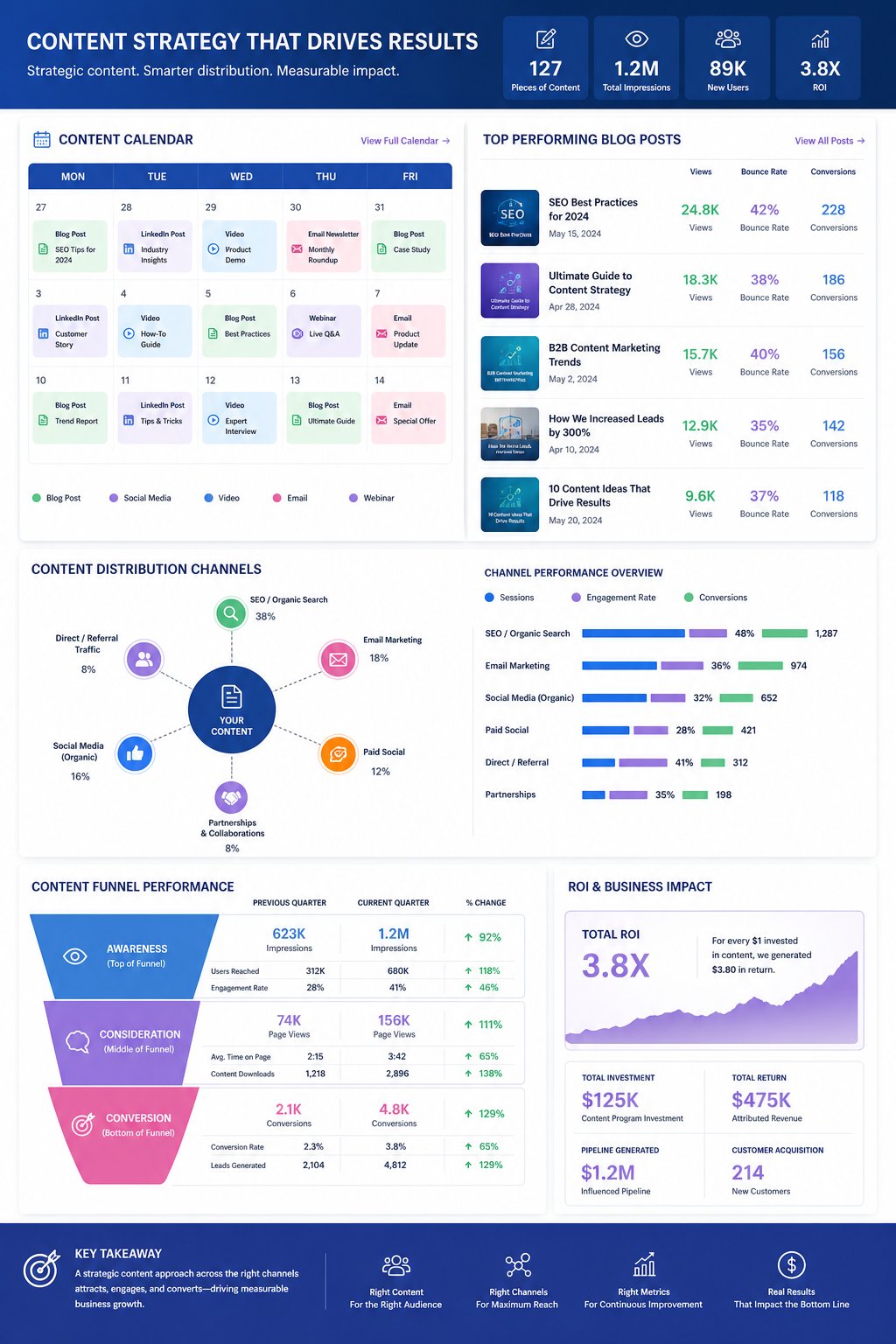
B2B and Professional Services
B2B organizations can use AIEO to improve visibility for problem research, vendor comparison, implementation questions, industry expertise, and account-based discovery. Important assets include service pages, case studies, research, expert profiles, implementation guides, customer proof, and clear qualification paths.
Ecommerce and Product Brands
Product businesses can improve clarity around product attributes, use cases, comparisons, price, availability, reviews, delivery, returns, and customer questions. Catalogue, structured data, product pages, and third-party references should remain consistent.
Technology and SaaS
Software companies need clear information about features, integrations, use cases, pricing models, security, implementation, technical limits, alternatives, and documentation. Version control and product accuracy are especially important.
Local Businesses
Local providers can improve AI visibility by maintaining consistent business facts, service areas, hours, reviews, credentials, location pages, and appointment or call paths.
Education, Healthcare, Finance, and Sensitive Topics
These subjects require strong accuracy, expertise, evidence, privacy, review, and escalation standards. AI optimization should prioritize safe and trustworthy information rather than visibility at any cost.
Publishers and Research Organizations
Publishers can improve source clarity through authorship, editorial standards, references, original research, structured content, topical organization, and update governance. Citation value depends on the credibility and usefulness of the source.
Why Choose Unified Management Consulting?
AI Strategy and Search Foundations Together
We connect AI visibility with technical SEO, content, entities, structured data, product information, digital authority, analytics, and customer experience. AIEO is treated as an information and growth system.
Evidence-Based Monitoring
We use documented prompt sets, source analysis, entity audits, and referral data where available. We distinguish an observed pattern from a guaranteed platform behavior.
Clear Governance
You should know which facts are official, who owns updates, how content is reviewed, what data may be used, how corrections are handled, and how AI-assisted workflows are governed.
Customized Strategy
We design around your audience, model, products, geography, website, content resources, knowledge base, CRM, catalogue, sales process, and risk profile.
Management Consulting Perspective
AI visibility cannot resolve poor products, inconsistent facts, weak customer experience, or unsupported claims. Our consulting approach examines the operational and management systems that determine whether AI-referred users become satisfied customers.
AIEO Services Pricing
AIEO fees depend on website size, number of entities, markets and languages, content volume, product catalogue complexity, enterprise knowledge systems, monitoring scope, technical implementation, digital PR, reporting, and governance needs.
Before selecting a provider, clarify whether the service includes:
- Business and AI-use-case discovery.
- Prompt and answer-surface audit.
- Entity and knowledge-graph analysis.
- Technical SEO and retrieval-access review.
- Content and question mapping.
- Answer-ready content strategy.
- Structured data and schema.
- Product-feed and catalogue review.
- Local or international entity consistency.
- Citation and authority analysis.
- Hallucination and misinformation monitoring.
- AI referral and conversion measurement.
- Internal knowledge-base optimization.
- AI-assisted content governance.
- Ongoing monitoring and reporting.
- Training and stakeholder workshops.
Website development, content writing, data engineering, product-feed work, PR, translation, software, API integration, and specialist review may be separate implementation costs and should be clearly scoped.
How AIEO Performance Is Evaluated
No ethical provider can guarantee a specific number of AI mentions, citations, recommendations, referrals, leads, or sales. AI results vary by model, interface, user prompt, location, date, retrieval system, source availability, competition, and product behavior.
Early work may focus on entity clarity, source accessibility, content coverage, technical structure, prompt monitoring, and accuracy. Later evaluation may include mention rate, citation quality, description accuracy, AI-referred visits, branded demand, leads, purchases, revenue, customer value, and internal answer quality.
A mention without a citation may create awareness but not a visit. A citation may be valuable even when it produces few clicks if it strengthens trust. A referral may not be recorded if the interface does not pass a clear source. These limitations should be included in reporting.
Technical Audit Checklist
Before investing in a large AIEO program, we assess:
- Whether the organization, products, services, and locations are clearly defined.
- Whether official facts are consistent across owned and third-party sources.
- Whether important pages and documents are crawlable and accessible.
- Whether structured data accurately represents visible information.
- Whether product and service attributes are complete and current.
- Whether question and use-case content matches customer prompts.
- Whether content is organized into clear, extractable sections.
- Whether sources include expertise, evidence, authorship, and review dates.
- Whether competitors and alternatives are represented accurately.
- Whether AI systems produce incorrect or outdated descriptions.
- Whether citation and source links are relevant and functional.
- Whether local, ecommerce, international, or enterprise requirements are addressed.
- Whether website, feed, CRM, catalogue, and knowledge-base data are connected where appropriate.
- Whether AI-referred traffic and conversions can be measured.
- Whether AI-generated or AI-assisted content has human review and governance.
- Whether privacy, access, licensing, and confidential-data controls are adequate.
- Whether the organization can maintain facts, content, feeds, and documentation over time.
Frequently Asked Questions About AIEO Services
What is Artificial Intelligence Optimization?
Artificial Intelligence Optimization is the process of improving how a brand, organization, product, service, expertise, and information are understood and surfaced by AI-powered search, answer, recommendation, retrieval, and knowledge systems.
Is AIEO the same as SEO?
No. AIEO builds on technical SEO and content quality but focuses more directly on answer inclusion, entity understanding, retrieval, citations, machine-readable information, AI referrals, and generated-answer accuracy. SEO remains an important foundation for discoverability.
What are AEO and GEO?
AEO usually means Answer Engine Optimization, while GEO commonly means Generative Engine Optimization. These terms overlap with AIEO and describe efforts to improve visibility in systems that generate answers or summaries. Terminology is not standardized across the industry.
Can you guarantee that an AI system will recommend my company?
No. AI outputs depend on model behavior, user prompts, retrieval sources, location, date, competition, and other factors outside a service provider’s control. We improve source quality, entity clarity, content, authority, and monitoring without promising a specific generated answer.
Does structured data make AI systems cite a website?
Structured data can help communicate facts and relationships, but it does not guarantee citation or recommendation. It should be accurate, current, consistent with visible content, and combined with strong source information and authority.
Do I need an llms.txt file for AIEO?
The usefulness and adoption of any specific file or directive can vary by platform and implementation. We evaluate machine-readable access, technical SEO, structured data, feeds, documentation, and actual platform requirements rather than treating one file as a universal solution.
Can AIEO track AI-referred traffic?
Sometimes. Some AI interfaces pass referral information, while others may produce direct or unattributed visits. We use analytics, tagged links where possible, referral analysis, self-reported attribution, branded-demand trends, prompt monitoring, and CRM data to build a practical measurement framework.
Can AIEO help ecommerce companies?
Yes. Product names, attributes, categories, price, availability, reviews, delivery, returns, product feeds, structured data, and comparison content can help systems and customers understand product fit. Accuracy and customer value remain more important than forced recommendations.
Can AIEO help local businesses?
Yes. Consistent business information, service areas, hours, reviews, credentials, local content, structured data, and third-party references can support clearer local representation. Businesses should only claim locations and services they genuinely provide.
Does AI-generated content improve AIEO automatically?
No. AI-generated content can be useful if it is accurate, original, relevant, reviewed, and maintained. Large volumes of generic or unsupported content can reduce trust and create quality problems. Human expertise and governance remain essential.
Do you guarantee AI visibility or revenue?
No. We provide a structured audit, implementation plan, monitoring methodology, content and entity strategy, measurement framework, and ongoing optimization based on observed data and business priorities.
Build a More Trustworthy AI Visibility System
Artificial Intelligence Optimization can help organizations become easier for AI systems and people to understand, retrieve, cite, compare, and trust. Strong AIEO comes from combining technical accessibility, clear entities, structured data, answer-ready content, expertise, evidence, accurate product and service information, trustworthy references, quality customer experience, and responsible measurement.
Unified Management Consulting helps businesses connect these elements. Our AIEO services are designed for organizations that want to understand not only whether they appear in AI answers, but why they are or are not being represented and how visibility can support measurable growth.
Contact Unified Management Consulting for an AIEO audit, AI search visibility review, entity and structured-data assessment, answer-content strategy, hallucination monitoring plan, or customized Artificial Intelligence Optimization program.
Suggested SEO Metadata
SEO title: Artificial Intelligence Optimization (AIEO) Services | Unified Management Consulting
Meta description: Improve AI search visibility with AIEO services covering answer-engine optimization, generative search, entity management, structured data, citations, content, and measurement.
Suggested URL slug: /artificial-intelligence-optimization-services/
Primary keyword: Artificial intelligence optimization services
Secondary keywords: AIEO services, AI search optimization, answer engine optimization, generative engine optimization, GEO services, LLM optimization, AI visibility services, AI SEO services, AI citation optimization, AI search consultant
Suggested Calls to Action
- Request an AI visibility and AIEO audit
- Monitor how AI systems describe your brand
- Improve your entity and structured-data signals
- Build an answer-ready content strategy
- Review AI citations and source accuracy
- Connect AI visibility with leads and revenue
- Schedule an Artificial Intelligence Optimization consultation