Why Local SEO Matters More Than Ever in 2026
Local search is booming. Over 80% of consumers use search engines to find local businesses, and 76% of people who search for something nearby visit a business within 24 hours. Whether you run a restaurant, law firm, medical practice, or retail store, local SEO is your most powerful tool for attracting nearby customers.
In 2026, local SEO has evolved significantly with AI-powered search results, Google Business Profile updates, and new ranking factors. This guide covers 15 proven strategies that will help you dominate local search results in your market.
Strategy 1: Optimize Your Google Business Profile Completely
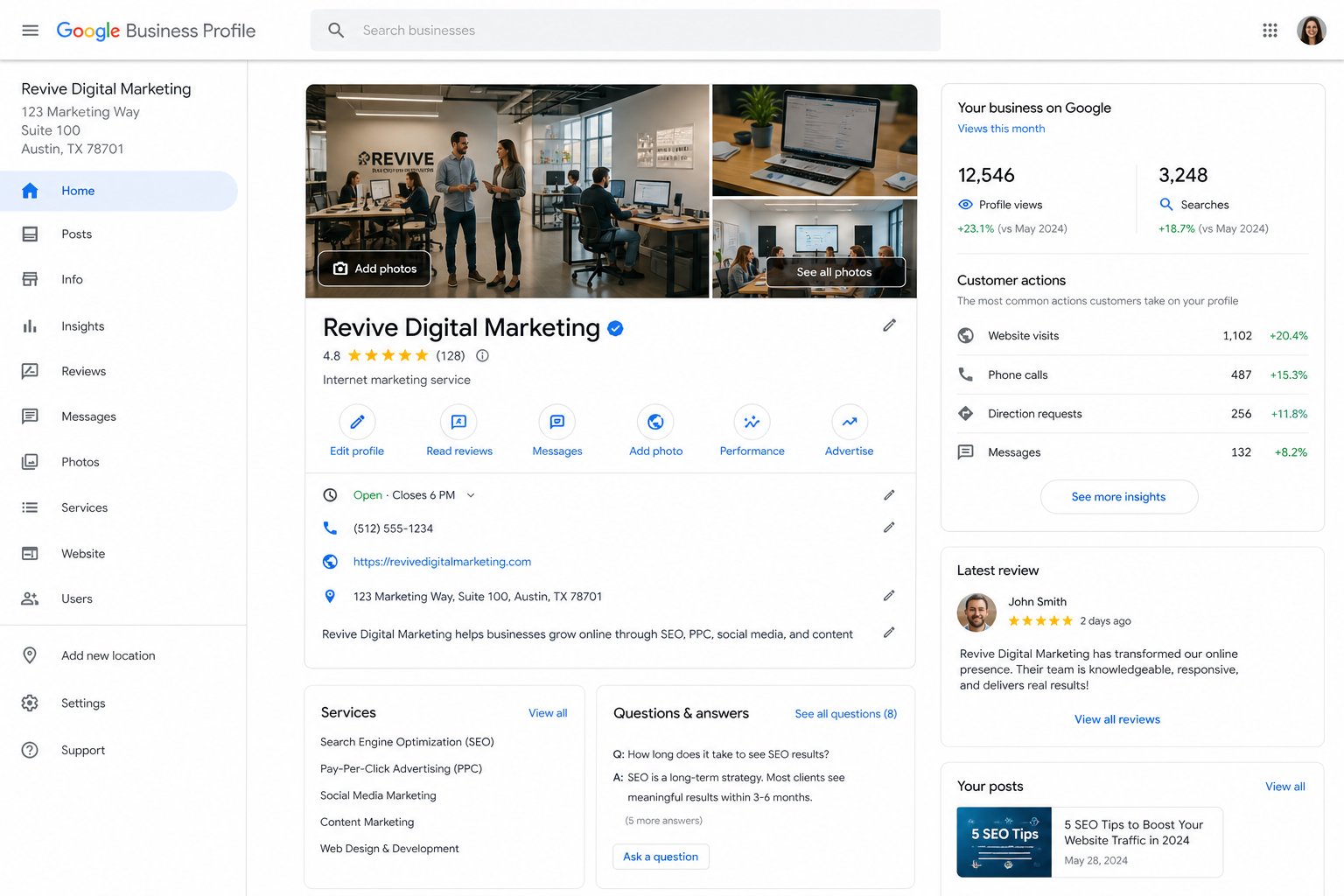
Your Google Business Profile (GBP) is the single most important factor for local search rankings. A fully optimized profile can dramatically increase your visibility in the Local Pack and Google Maps.
- Complete Every Section: Business name, address, phone, hours, website, description, categories, and attributes
- Add High-Quality Photos: Businesses with 100+ photos get 520% more calls than average
- Post Weekly Updates: Share offers, events, news, and product updates as GBP posts
- Enable Messaging: Allow customers to message you directly through your profile
- Add Products and Services: List your offerings with descriptions and pricing
- Use Q&A Section: Add frequently asked questions and provide detailed answers
Strategy 2: Build and Manage Local Citations
Citations—mentions of your business name, address, and phone number (NAP) across the web—are crucial for local rankings. Consistency is key; even small discrepancies can hurt your rankings.
- Claim and verify listings on major directories: Yelp, Yellow Pages, BBB, Apple Maps, Bing Places
- Get listed on industry-specific directories
- Ensure NAP consistency across all platforms
- Use tools like BrightLocal or Moz Local to audit and manage citations
- Add structured data markup to your website for business information
Strategy 3: Generate and Respond to Reviews
Reviews are a top-3 local ranking factor. Businesses with more positive reviews consistently outrank competitors.
- Implement Review Generation: Send automated follow-up emails asking satisfied customers for reviews
- Respond to Every Review: Thank positive reviewers and address negative ones professionally
- Use QR Codes: Display review QR codes at your business location for easy access
- Train Staff: Make review requests part of your customer service process
- Monitor Review Sites: Track reviews on Google, Yelp, Facebook, and industry platforms
Strategy 4: Create Location-Specific Content
Content that targets your specific city, neighborhood, and surrounding areas signals relevance to search engines and helps you rank for local queries.
- Create dedicated location pages for each city or area you serve
- Write blog posts about local events, news, and community involvement
- Include local landmarks, neighborhoods, and references in your content
- Create local resource guides and area-specific service pages
- Feature local case studies and customer testimonials
Strategy 5: Optimize for “Near Me” Searches
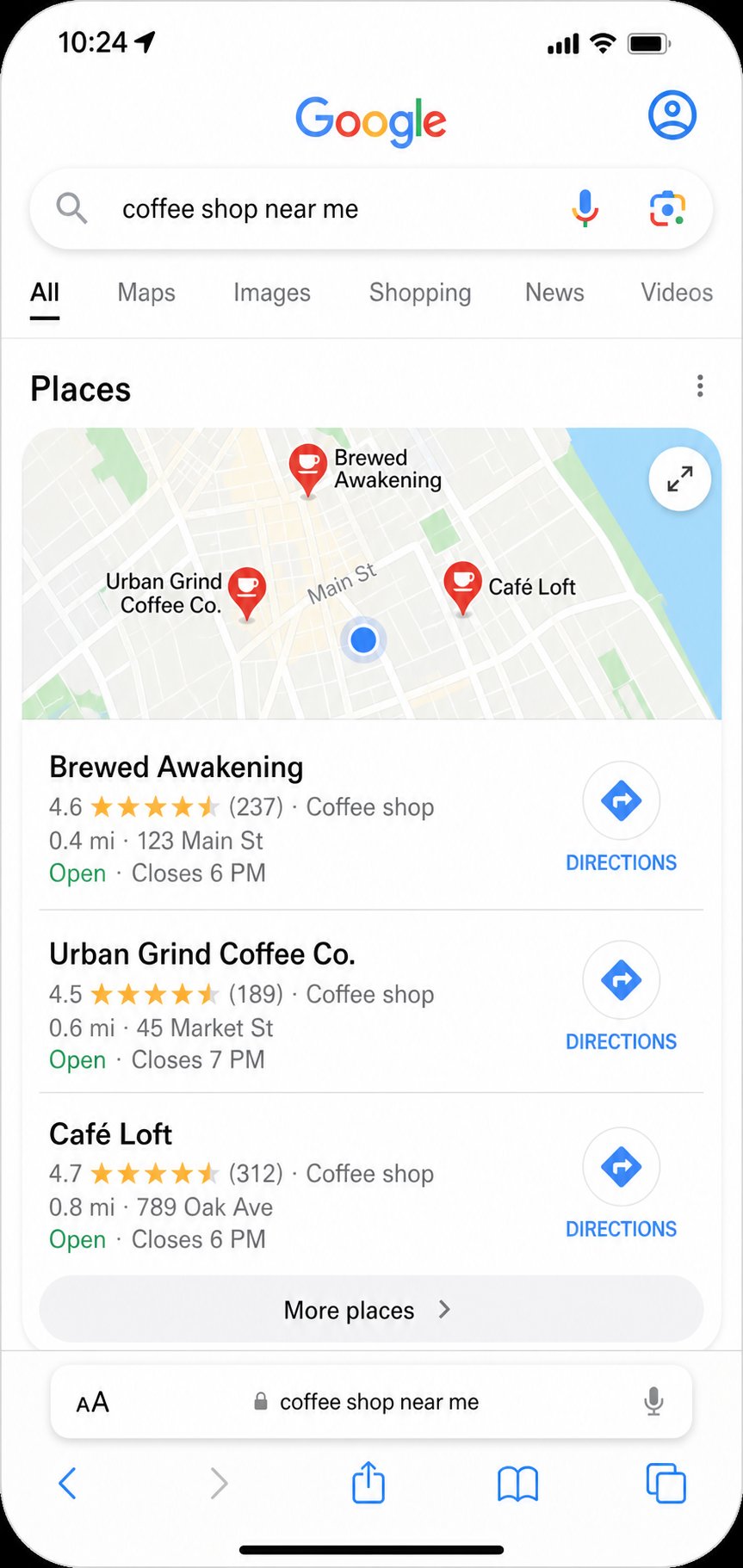
“Near me” searches have grown over 500% in recent years. Optimize your content and technical setup to capture these high-intent queries.
- Ensure your website is mobile-optimized (88% of “near me” searches happen on mobile)
- Include your city and neighborhood names naturally in page titles, headers, and content
- Implement local schema markup on your website
- Ensure fast page load speeds for mobile users
- Add driving directions and embedded maps to your contact pages
Strategy 6: Build Local Backlinks
Links from local websites carry more weight for local SEO than links from distant or irrelevant sites.
- Sponsor Local Events: Get links from event pages and local news coverage
- Join Local Organizations: Chamber of Commerce, BNI groups, and industry associations
- Guest Post on Local Blogs: Contribute to local news sites and community blogs
- Partner with Complementary Businesses: Cross-promote and link to each other
- Get Featured in Local Media: Pitch stories to local newspapers, TV stations, and radio
Strategy 7: Implement Local Schema Markup
Schema markup helps search engines understand your business information and can lead to rich snippets in search results.
- Add LocalBusiness schema with your complete business information
- Include Review schema to display star ratings in search results
- Use Service schema to highlight your offerings
- Add FAQPage schema for common questions
- Implement BreadcrumbList schema for better navigation display
Strategy 8: Optimize for Voice Search
Voice searches are often local and conversational. Optimize your content to match how people speak when searching for local businesses.
- Target conversational, long-tail keywords (“Where can I find the best pizza near me?”)
- Create FAQ content that answers common local questions
- Ensure your business information is accurate across all voice assistant platforms
- Use natural language in your content that matches spoken queries
- Optimize for question-based searches (who, what, where, when, how)
Strategy 9: Leverage Social Media for Local Visibility
Social media signals and engagement contribute to local search visibility, especially on platforms with local discovery features.
- Maintain active profiles on Facebook, Instagram, and Google
- Use local hashtags and geotags on all posts
- Engage with other local businesses and community pages
- Share local events, partnerships, and community involvement
- Run location-targeted social media advertising campaigns
Strategy 10: Mobile-First Website Optimization
Over 60% of local searches happen on mobile devices. Your website must deliver an exceptional mobile experience.
- Implement responsive design that works on all screen sizes
- Ensure click-to-call buttons are prominently displayed
- Add a sticky “Call Now” or “Get Directions” button on mobile
- Optimize images and reduce page load times
- Make forms easy to complete on mobile devices
Strategy 11: Create and Optimize Local Landing Pages
For businesses serving multiple locations, dedicated landing pages for each area can dramatically improve local rankings.
- Create unique, valuable content for each location page (avoid duplicate content)
- Include location-specific keywords, testimonials, and case studies
- Add embedded Google Maps and driving directions
- Include local phone numbers and addresses
- Link between related location pages and your main service pages
Strategy 12: Monitor and Improve Core Web Vitals
Google’s Core Web Vitals are ranking factors that measure user experience. Local businesses with fast, stable, interactive websites outperform competitors.
- Largest Contentful Paint (LCP): Load main content in under 2.5 seconds
- First Input Delay (FID): Respond to user interactions in under 100ms
- Cumulative Layout Shift (CLS): Keep visual stability score below 0.1
- Use Google PageSpeed Insights to identify and fix issues
- Implement lazy loading, caching, and image optimization
Strategy 13: Engage in Local Community Building
Real community engagement creates natural backlinks, brand mentions, and social proof that boost local SEO.
- Host or sponsor local events and workshops
- Partner with local charities and nonprofits
- Participate in local business networking groups
- Create local scholarship programs or community initiatives
- Share your community involvement on your website and social media
Strategy 14: Track, Measure, and Adapt
Local SEO requires continuous monitoring and optimization. Track these key metrics to measure success:
- Google Business Profile insights (views, clicks, calls, direction requests)
- Local keyword rankings in Google Maps and Local Pack
- Organic traffic from local searches
- Conversion rates from local visitors
- Review quantity, quality, and response rates
Strategy 15: Stay Ahead of AI Search Changes
AI-powered search features like Google AI Overviews are changing how local results are displayed. Adapt by:
- Creating comprehensive, authoritative content that AI systems can cite
- Using structured data to make your business information machine-readable
- Building topical authority in your industry and location
- Ensuring consistent business information across all platforms
- Creating content that answers specific local questions in detail
Get Professional Local SEO Help
Implementing these strategies effectively requires expertise, tools, and consistent effort. Unified Management Consulting specializes in local SEO for businesses across the United States.
Our team can help you dominate local search results in your market. Learn more about our digital marketing services and how we’ve helped businesses in cities like New York, Chicago, Los Angeles, and more.
Frequently Asked Questions
How long does local SEO take to show results?
Most businesses see initial improvements within 2-3 months, with significant results in 4-6 months. Highly competitive markets may take 6-12 months.
How much does local SEO cost?
Local SEO services typically range from $500-$3,000/month depending on competition, number of locations, and scope of work. The ROI is typically 5-10x the investment.
Do I need local SEO if I’m an online-only business?
If you serve specific geographic areas, local SEO can still benefit you. Even service-area businesses without physical locations can rank in local results.
What’s the most important local SEO factor?
Your Google Business Profile optimization is the single most impactful factor, followed by reviews and local citations.