Editorial note: This article is part of UMC’s CRM-development cluster and is positioned as an industry-specific guide rather than a generic CRM overview.
Why Healthcare Needs Custom CRM Solutions
The healthcare industry operates under unique constraints—HIPAA compliance, complex patient journeys, multi-provider coordination, and strict data security requirements—that make off-the-shelf CRM solutions inadequate. A custom healthcare CRM bridges the gap between patient care management and business growth, helping medical practices, hospitals, clinics, and healthcare organizations deliver better patient experiences while streamlining operations.
The global healthcare CRM market is projected to reach $15.3 billion by 2028, growing at a CAGR of 12.4%. This growth reflects the urgent need for healthcare providers to modernize their patient engagement, referral management, and operational workflows.
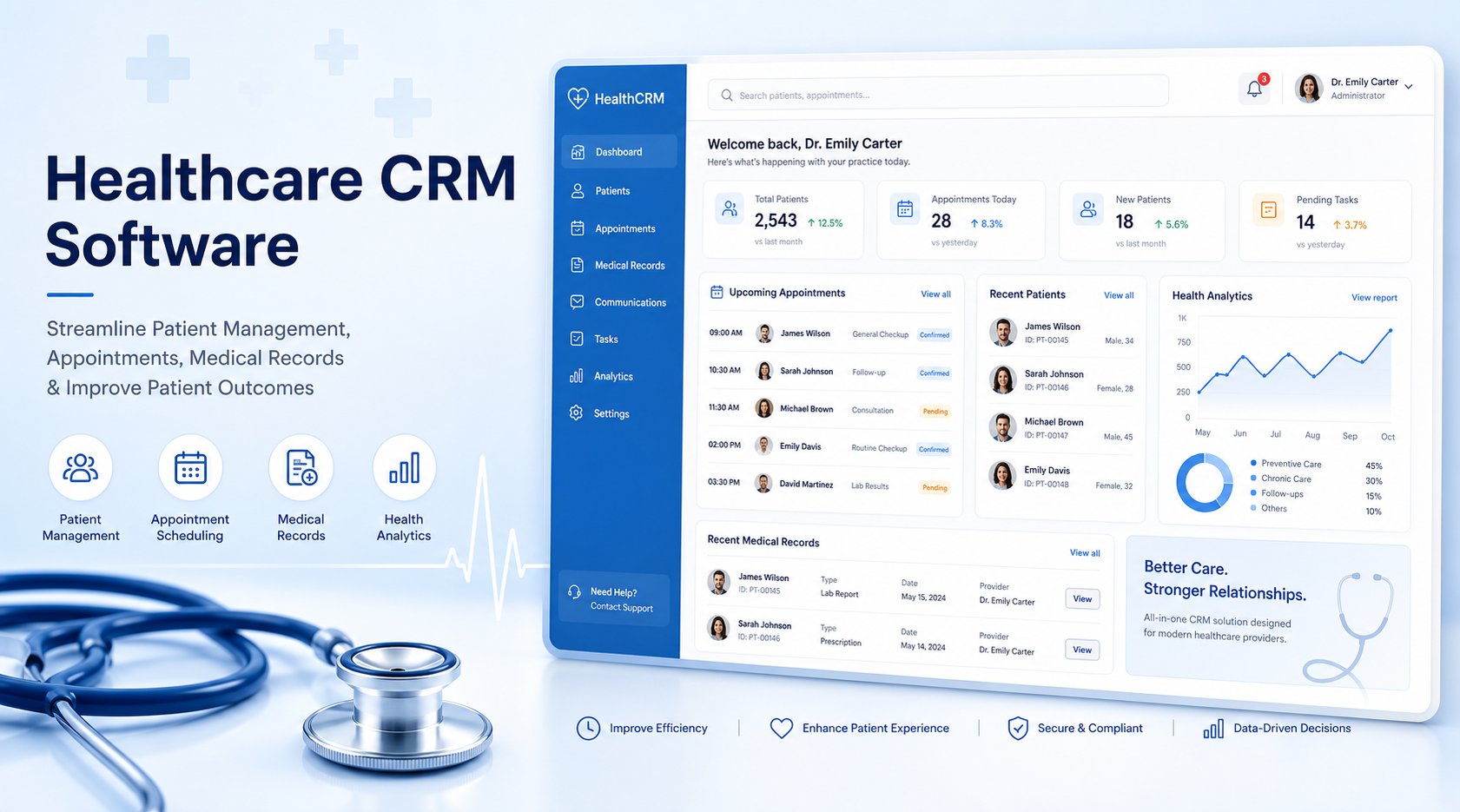
Key Challenges in Healthcare That CRM Solves
1. Fragmented Patient Data
Healthcare organizations typically use multiple systems—EHR, billing, scheduling, lab results—that don’t communicate with each other. A custom CRM creates a unified patient view by integrating data from all touchpoints, giving providers a complete picture of each patient’s history, preferences, and care journey.
2. Patient Engagement and Retention
80% of patients say they’d switch providers for a better experience. Custom healthcare CRM enables:
- Automated appointment reminders via SMS, email, and push notifications
- Personalized health education content based on patient conditions
- Patient satisfaction surveys and feedback collection
- Wellness program enrollment and tracking
- Recall campaigns for preventive care and check-ups
3. Referral Management
Healthcare referral management is notoriously complex. Custom CRM automates the entire referral lifecycle:
- Track referrals from primary care to specialists
- Automated referral routing based on specialty, insurance, and availability
- Real-time referral status updates for all parties
- Referral analytics to identify top referral sources and patterns
- Physician relationship management and outreach tracking
Essential Features of a Custom Healthcare CRM
| Feature | Description | Impact |
|---|---|---|
| HIPAA-Compliant Data Storage | Encrypted patient data with access controls | Regulatory compliance, risk reduction |
| Patient 360° View | Unified profile with medical and engagement history | Better care decisions |
| Appointment Management | Online booking, reminders, and no-show reduction | 30% fewer no-shows |
| EHR Integration | Bidirectional sync with electronic health records | Eliminated data silos |
| Marketing Automation | Targeted health campaigns and patient education | Higher patient engagement |
| Analytics & Reporting | Operational and patient outcome dashboards | Data-driven decisions |
HIPAA Compliance in Healthcare CRM
Any CRM handling patient data must comply with HIPAA regulations. Custom development ensures:
- Encryption: All data encrypted at rest and in transit (AES-256, TLS 1.3)
- Access Controls: Role-based access with audit trails for every data interaction
- Business Associate Agreements: Proper BAA frameworks for all technology partners
- Data Minimization: Only collecting and storing necessary patient information
- Breach Notification: Automated alerts and incident response workflows
- Regular Audits: Built-in compliance monitoring and reporting tools
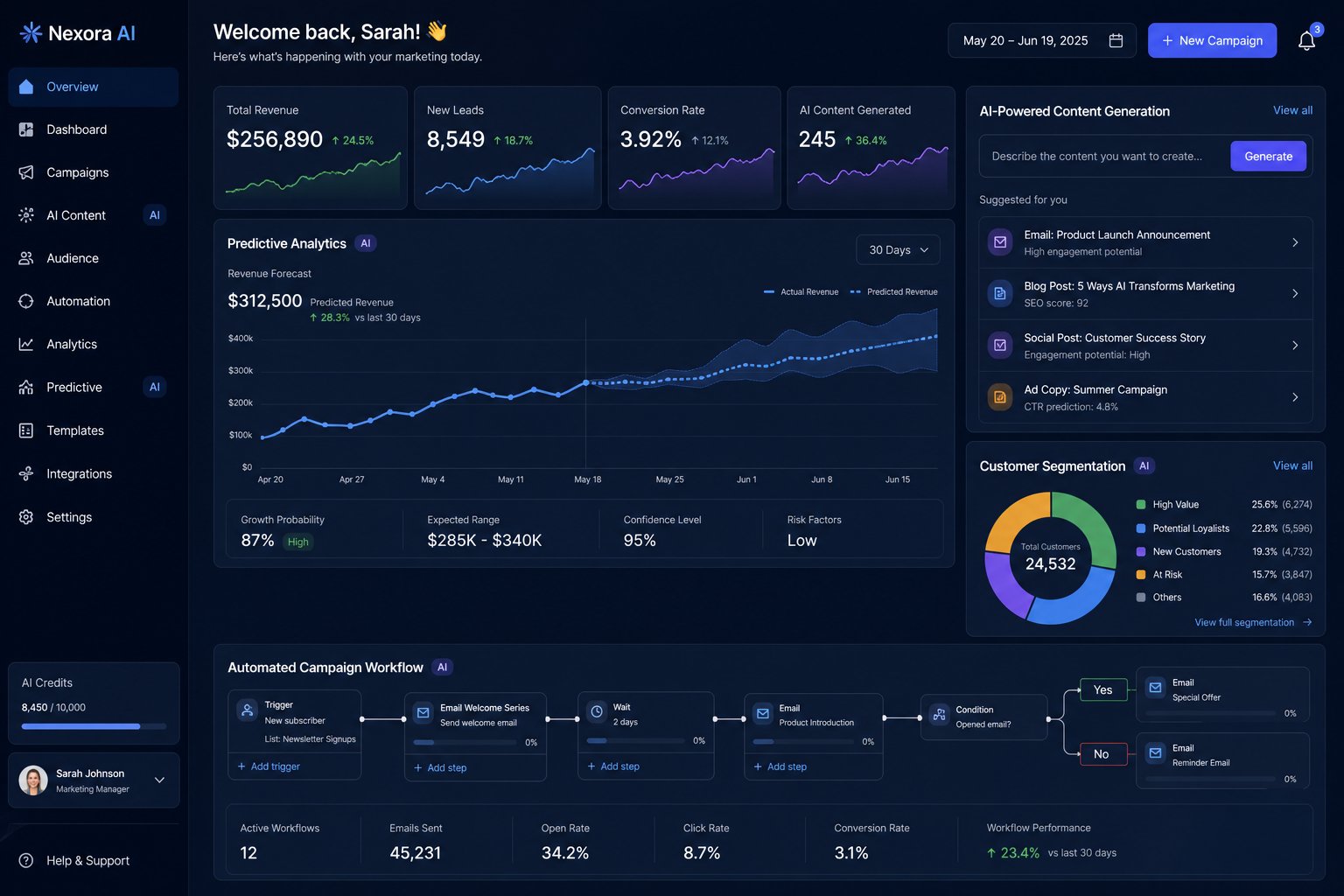
Healthcare CRM Use Cases
Hospitals and Health Systems
- Patient journey mapping and experience optimization
- Physician liaison activity tracking and relationship management
- Service line marketing and campaign management
- Population health management and outreach programs
Medical Practices and Clinics
- Patient acquisition and retention campaigns
- Insurance verification and eligibility checking
- Multi-location scheduling and resource management
- Telehealth integration and virtual visit management
Pharmaceutical and MedTech Companies
- Healthcare provider (HCP) engagement and detailing
- Clinical trial recruitment and patient matching
- Key opinion leader (KOL) management
- Sample management and compliance tracking
ROI of Custom Healthcare CRM
Healthcare organizations implementing custom CRM typically see:
- 25-40% reduction in patient no-show rates
- 30% increase in patient retention and lifetime value
- 50% faster referral processing and follow-up
- 20% improvement in patient satisfaction scores
- 35% reduction in administrative overhead
Technology Stack for Healthcare CRM
- Backend: Node.js, Python (Django/FastAPI), or .NET with HIPAA-compliant infrastructure
- Database: PostgreSQL with encryption, MongoDB for flexible patient data schemas
- Integration: HL7 FHIR APIs for EHR integration, REST APIs for third-party systems
- Security: OAuth 2.0, multi-factor authentication, end-to-end encryption
- Cloud: AWS HealthLake, Azure Health Data Services, or Google Cloud Healthcare API
- Frontend: React or Angular for responsive provider portals and patient interfaces
At Unified Management Consulting, we build custom CRM solutions tailored to your industry’s unique needs. Explore our website development services to learn how we can help your business succeed with custom technology solutions.
Frequently Asked Questions
How much does a custom healthcare CRM cost?
Custom healthcare CRM development typically ranges from $50,000 to $300,000+ depending on complexity, integrations, and compliance requirements. The investment pays for itself through reduced no-shows, improved retention, and operational efficiency.
How long does healthcare CRM development take?
A full-featured healthcare CRM typically takes 4-8 months to develop, depending on the scope of features, integrations with existing EHR systems, and compliance requirements.
Can a custom CRM integrate with our existing EHR?
Yes. Custom CRMs are designed to integrate with major EHR systems (Epic, Cerner, Allscripts) through HL7 FHIR standards, ensuring seamless data flow between systems.
Is cloud-based healthcare CRM HIPAA compliant?
Yes, when built on HIPAA-compliant cloud infrastructure (AWS, Azure, Google Cloud) with proper encryption, access controls, and Business Associate Agreements in place.
Related CRM and systems resources
- CRM Data Migration: Planning, Cleansing, Mapping, and Go-Live Control — migration discipline for healthcare teams moving from fragmented systems.
- How to Use Your CRM for Smarter Email Marketing Campaigns — how segmented communications support patient engagement and follow-up.
- Custom Education CRM Development — a lifecycle-management companion for organizations coordinating long-duration stakeholder journeys.
- Custom Financial Services CRM Development — another compliance-heavy CRM environment where trust, data control, and workflow design matter.
- Technology Services — implementation support for regulated, workflow-heavy systems.